Inquire: Call 0086-755-23203480, or reach out via the form below/your sales contact to discuss our design, manufacturing, and assembly capabilities.
Quote: Email your PCB files to Sales@pcbsync.com (Preferred for large files) or submit online. We will contact you promptly. Please ensure your email is correct.
Notes: For PCB fabrication, we require PCB design file in Gerber RS-274X format (most preferred), *.PCB/DDB (Protel, inform your program version) format or *.BRD (Eagle) format. For PCB assembly, we require PCB design file in above mentioned format, drilling file and BOM. Click to download BOM template To avoid file missing, please include all files into one folder and compress it into .zip or .rar format.
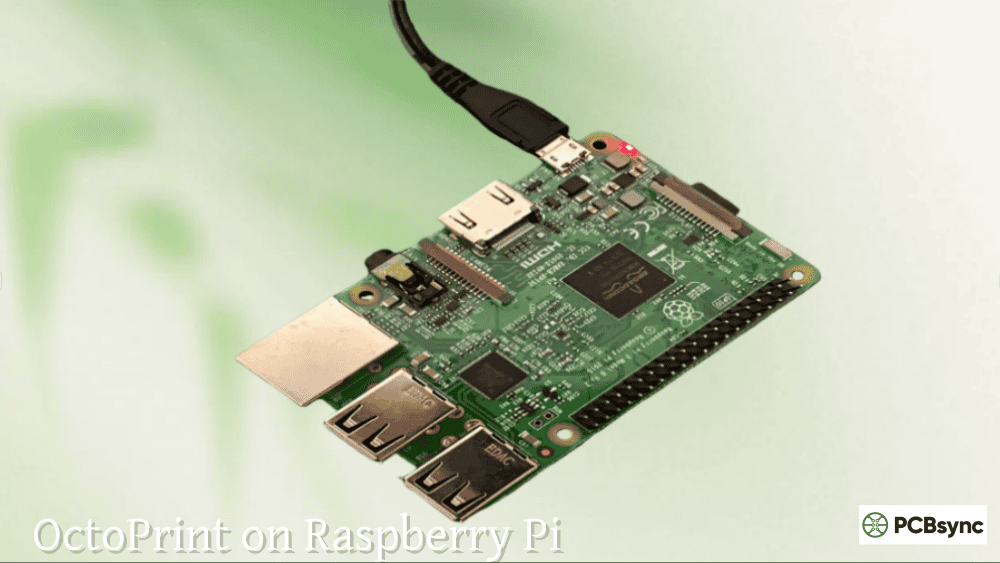
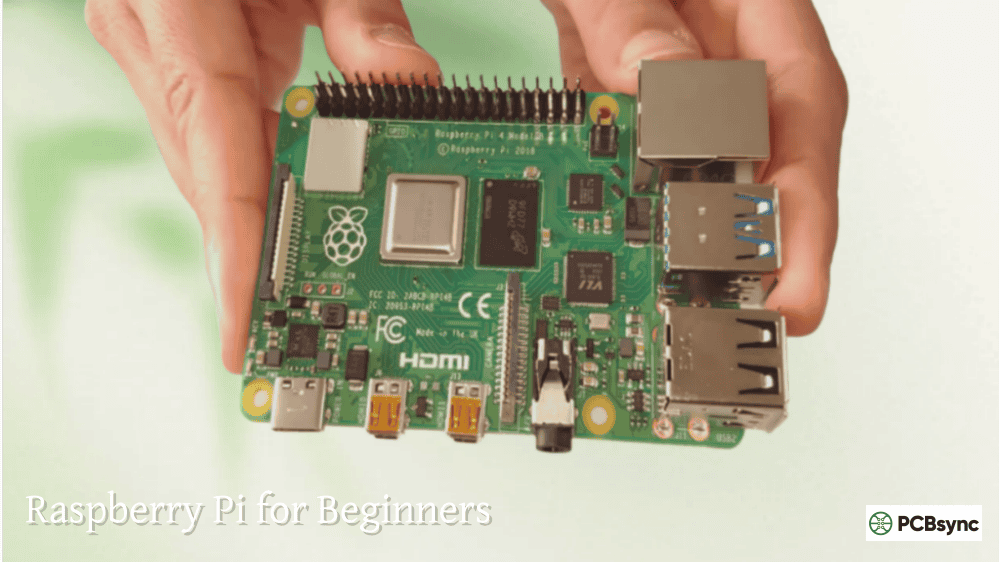
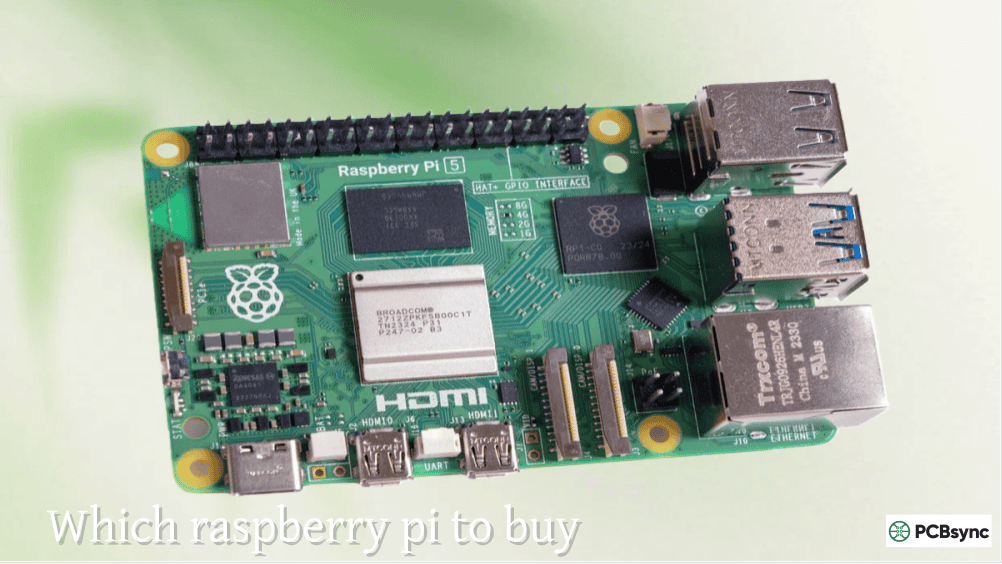
Choosing the right Raspberry Pi for OctoPrint determines whether your 3D printing experience is smooth or frustrating. The wrong model can cause print artifacts, stuttering, and even failed prints. The right choice gives you reliable performance with room to grow.
After running OctoPrint on multiple Pi models across different printers, I’ve learned that the official recommendations exist for good reasons. This guide breaks down exactly which model fits your needs, whether you’re running a basic setup or want webcam streaming with multiple plugins.
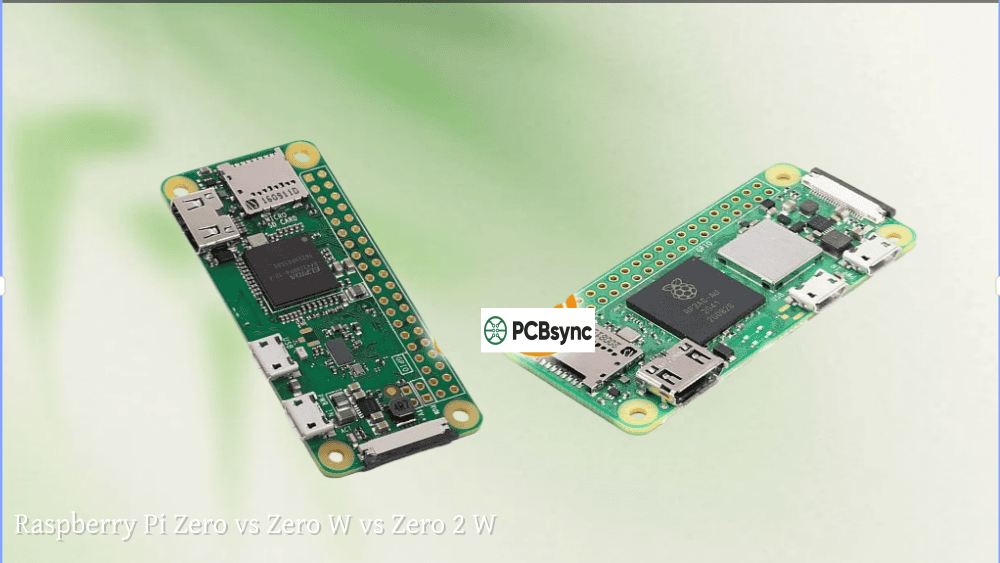
Critical Warning: The original Raspberry Pi Zero and Zero W are explicitly not recommended. Users report severe performance issues when WiFi bandwidth is utilized, causing print quality degradation and failures.
Raspberry Pi Model Comparison for OctoPrint
Hardware Specifications Overview
Specification
Pi Zero 2 W
Pi 3B+
Pi 4B (2GB)
Pi 4B (4GB)
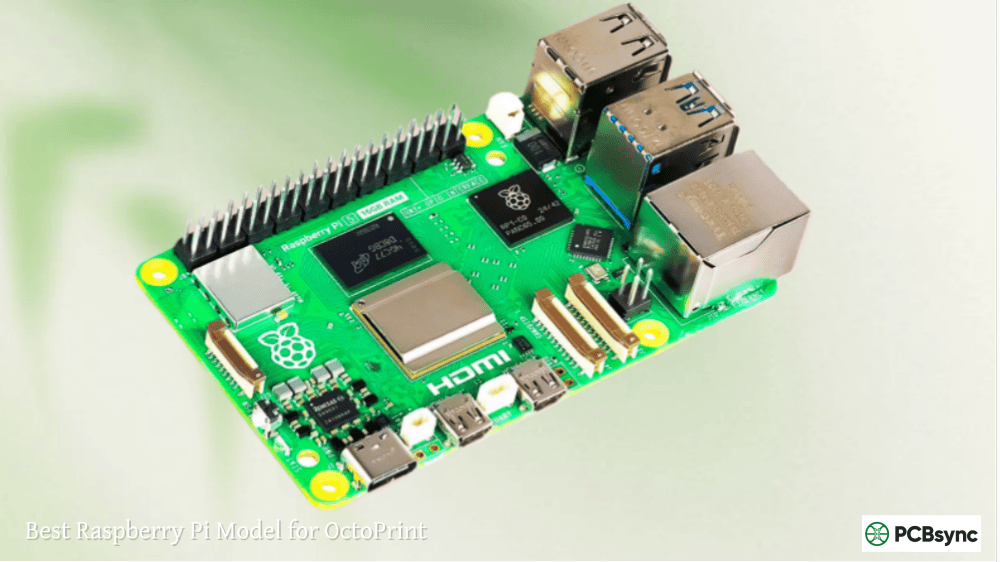
Pi 5 (4GB)
CPU
Quad-core 1.0 GHz
Quad-core 1.4 GHz
Quad-core 1.5 GHz
Quad-core 1.5 GHz
Quad-core 2.4 GHz
RAM
512 MB
1 GB
2 GB
4 GB
4 GB
USB Ports
1 (Micro)
4
4 (2x USB 3.0)
4 (2x USB 3.0)
4 (2x USB 3.0)
WiFi
2.4 GHz
2.4/5 GHz
2.4/5 GHz
2.4/5 GHz
2.4/5 GHz
Ethernet
No
300 Mbps
Gigabit
Gigabit
Gigabit
Power Draw
~0.5W idle
~2W idle
~3W idle
~3W idle
~4W idle
Size
65 × 30 mm
85 × 56 mm
85 × 56 mm
85 × 56 mm
85 × 56 mm
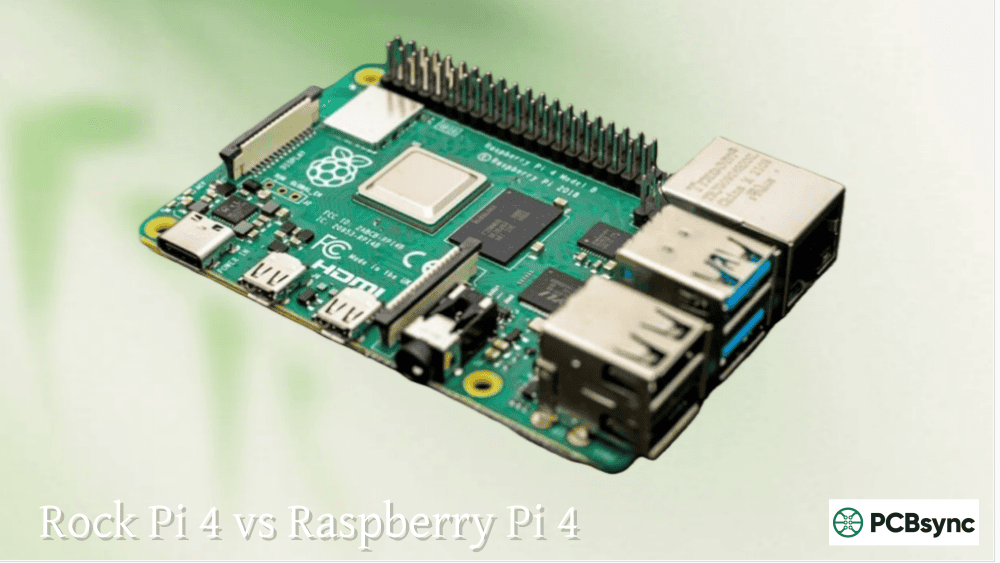
OctoPrint Pi 4: The Gold Standard
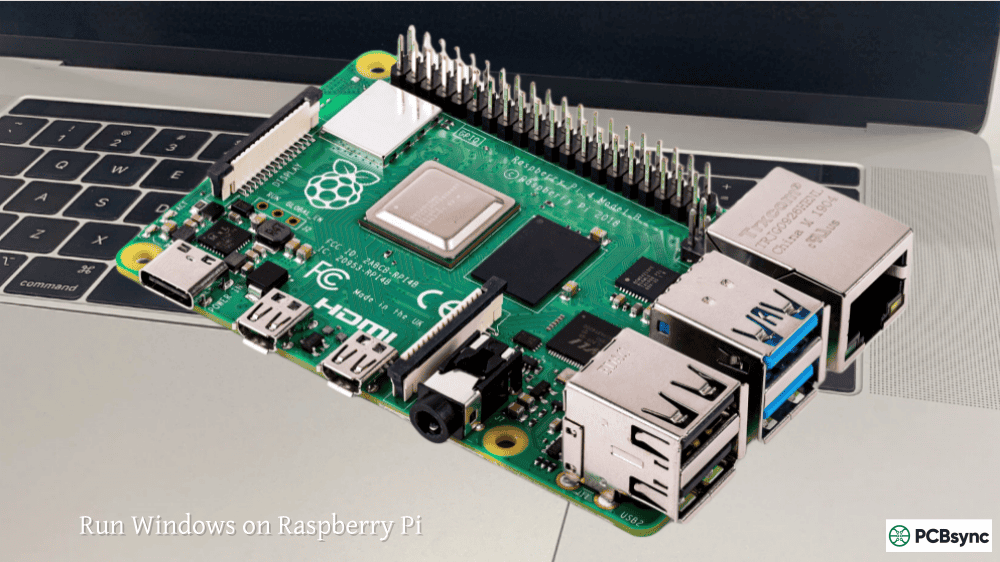
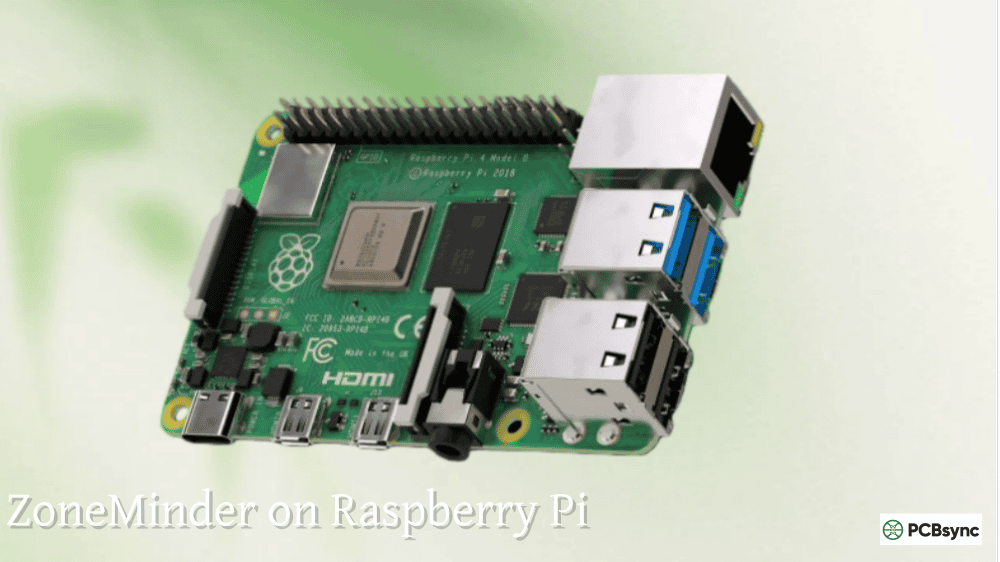
The octoprint pi 4 combination is what most users should choose. Here’s why the Raspberry Pi 4 dominates OctoPrint installations.
Why Pi 4 Excels for OctoPrint
Advantage
Benefit
Abundant RAM
2GB/4GB handles plugins, webcam, and browser tabs
Fast CPU
Smooth interface, quick file processing
USB 3.0 Ports
Faster webcam data transfer
Dual-band WiFi
Better network stability
Future-proof
Handles new OctoPrint features and plugins
Recommended Pi 4 Configurations
Use Case
RAM Version
Why
Basic OctoPrint
2GB
Sufficient for single printer, webcam, basic plugins
Multiple Plugins
4GB
Room for resource-heavy plugins, multiple browser tabs
Power User
4GB or 8GB
Multiple cameras, extensive plugins, other services
Pi 4 Performance with OctoPrint
Real-world testing shows the Pi 4 handles OctoPrint effortlessly:
Task
CPU Usage
Notes
Idle (connected)
2-5%
Minimal load
Active printing
5-10%
G-code processing
1080p webcam stream
15-25%
Per active viewer
Octolapse timelapse
20-35%
During capture
Multiple plugins
10-20%
Depends on plugins
The Pi 4 rarely breaks a sweat with typical OctoPrint workloads. You can run webcam streaming, multiple plugins, and even Pi-hole simultaneously without performance issues.
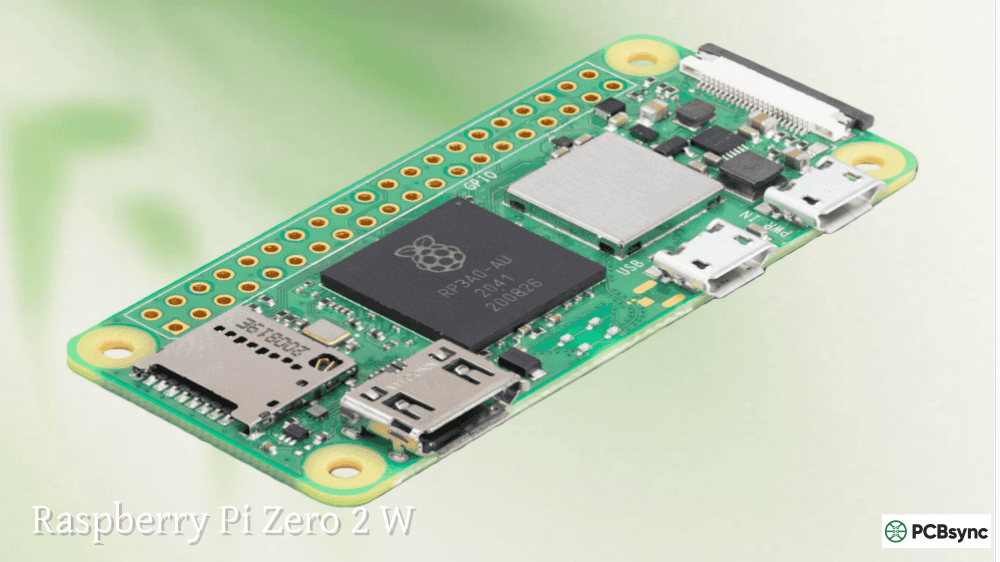
OctoPrint Raspberry Pi Zero 2 W: The Compact Option
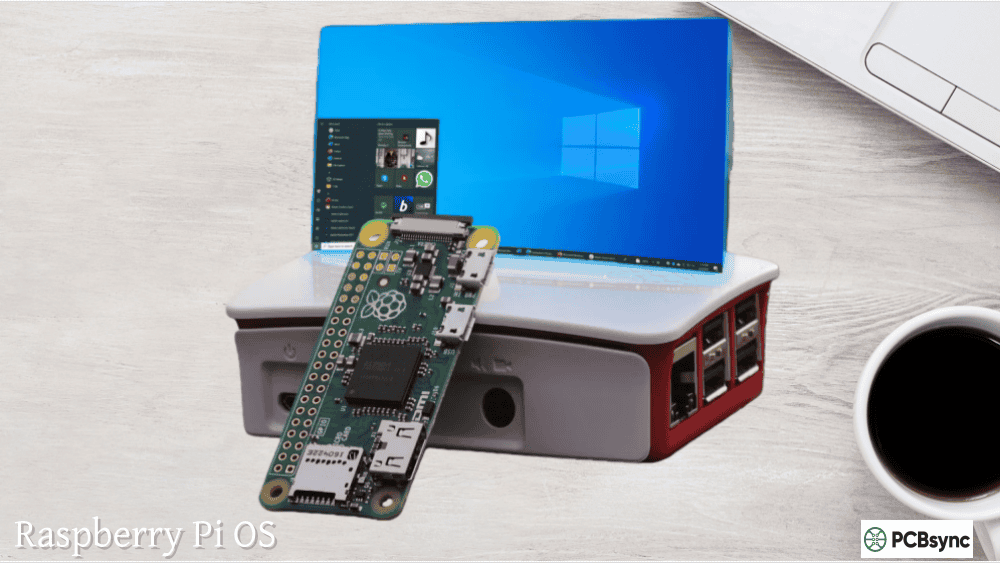
The octoprint raspberry pi zero 2 w represents a significant upgrade over the original Zero. While capable, it requires understanding its limitations.
Zero 2 W Capabilities
Feature
Rating
Notes
Basic printing
Excellent
Handles G-code without issues
Web interface
Good
Slightly slower page loads
480p webcam
Good
Minimal performance impact
1080p webcam
Limited
CPU spikes to 50-60%
Multiple plugins
Limited
Choose plugins carefully
Timelapses
Possible
Works but stresses system
Zero 2 W Limitations
The single micro USB port creates significant constraints:
Configuration
Challenge
USB webcam
Requires OTG adapter + hub, uses the only port
Pi Camera
Requires specific ribbon cable (22-pin connector)
Multiple devices
Must use powered USB hub
Wired Ethernet
Requires USB adapter
When Zero 2 W Makes Sense
Choose the Zero 2 W if:
Budget is primary concern ($15 vs $45+)
Space constraints (fits inside printer enclosures)
Basic functionality only (printing + optional Pi Camera)
Single printer, minimal plugins
You already have a Pi Camera
Avoid Zero 2 W if:
You want USB webcam
Planning to use many plugins
Need 1080p streaming
Want headroom for future expansion
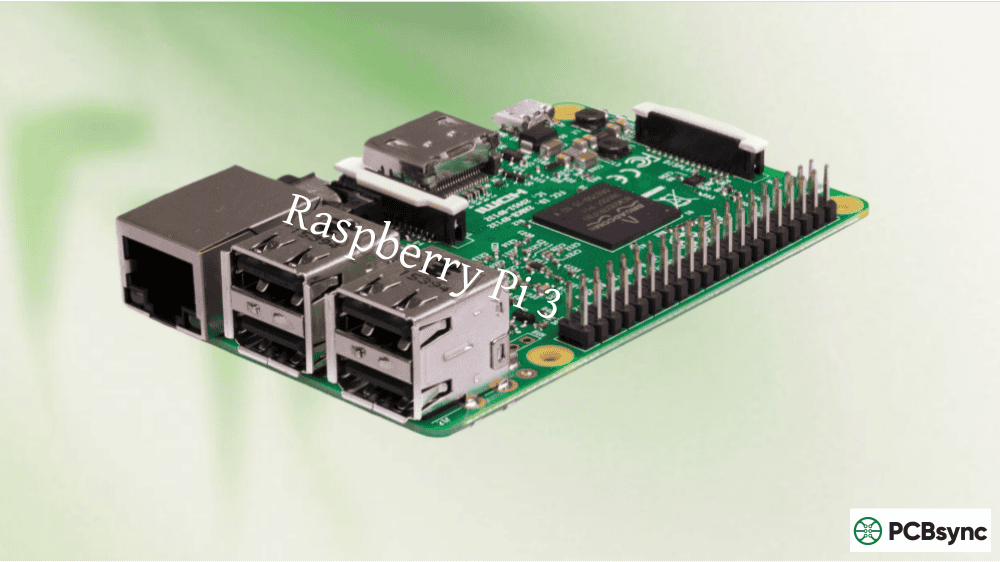
Raspberry Pi 3B/3B+ for OctoPrint
The Pi 3 series remains a solid choice, especially if you already own one.
Pi 3B+ vs Pi 3B
Feature
Pi 3B
Pi 3B+
CPU Speed
1.2 GHz
1.4 GHz
WiFi
2.4 GHz
2.4/5 GHz
Ethernet
100 Mbps
300 Mbps
OctoPrint Performance
Good
Very Good
Recommendation
Acceptable
Recommended
Pi 3 Performance Reality
The Pi 3B+ handles OctoPrint well for typical use:
Task
Performance
Basic printing
Excellent
Webcam (480p)
Good
Webcam (1080p)
Acceptable
Light plugins
Good
Heavy plugins
Sluggish
If you have a Pi 3B+ sitting in a drawer, it’s worth using for OctoPrint before buying new hardware. The Pi 3B (non-plus) works but shows its age with modern plugin-heavy setups.
Raspberry Pi 5 for OctoPrint
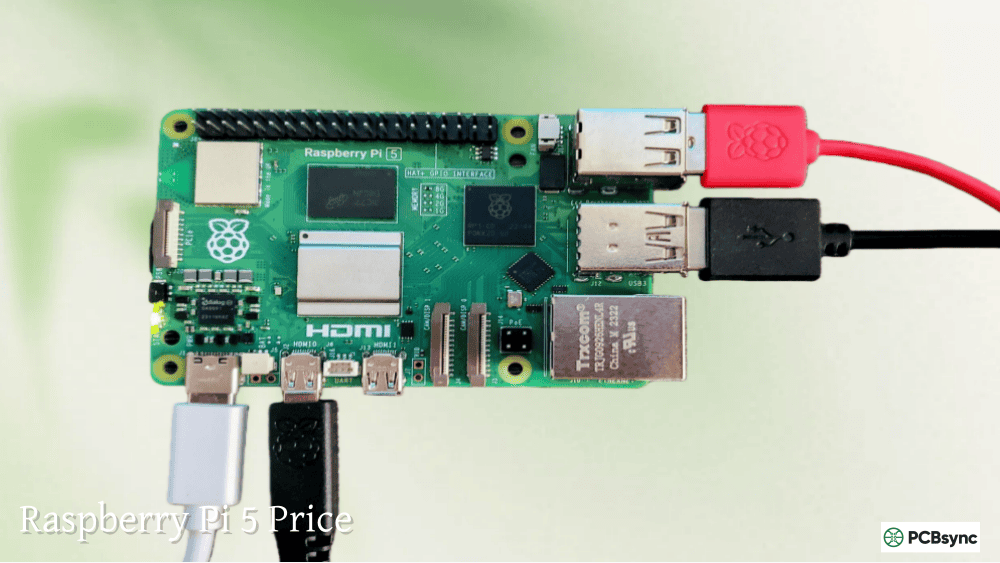
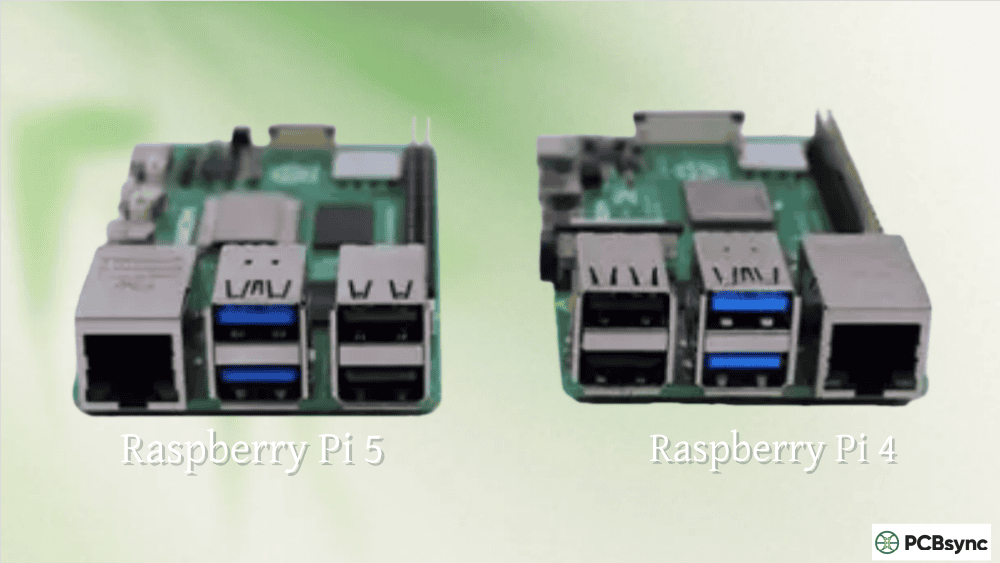
The newest Pi offers maximum performance but may be overkill for OctoPrint alone.
Pi 5 Considerations
Aspect
Analysis
Performance
Exceeds OctoPrint requirements
Price
Higher than Pi 4
Power
Requires 5V/5A supply
Availability
Varies by region
Compatibility
Works with OctoPi
When Pi 5 Makes Sense
The Pi 5 is worth considering if:
Running multiple services alongside OctoPrint
Managing multiple printers
Using resource-intensive AI plugins (Obico, PrintWatch)
Want maximum future-proofing
Price difference is negligible in your region
For dedicated OctoPrint use, the Pi 4 offers better value.
Model Comparison: Which Should You Buy?
Decision Matrix
Priority
Best Choice
Second Choice
Best overall
Pi 4B (4GB)
Pi 4B (2GB)
Budget conscious
Zero 2 W
Pi 3B+
Compact size
Zero 2 W
Pi 3A+
Maximum performance
Pi 5 (4GB)
Pi 4B (4GB)
Already own Pi 3
Use it
Upgrade later if needed
Multiple printers
Pi 5 (8GB)
Pi 4B (4GB)
Cost Analysis
Model
Board Cost
Accessories
Total Investment
Zero 2 W
~$15
~$25
~$40
Pi 3B+
~$35
~$20
~$55
Pi 4B (2GB)
~$45
~$20
~$65
Pi 4B (4GB)
~$55
~$20
~$75
Pi 5 (4GB)
~$60
~$25
~$85
The price difference between Zero 2 W and Pi 4 is roughly $25-35—worth spending for the performance headroom and flexibility the Pi 4 provides.
Can I use the original Raspberry Pi Zero for OctoPrint?
No, the original Pi Zero and Zero W are explicitly not supported by OctoPrint. Users consistently report severe performance issues causing print artifacts and failures, especially when the WiFi interface is utilized for webcam streaming. The single-core 1GHz processor and 512MB RAM cannot handle OctoPrint’s requirements reliably. The octoprint raspberry pi zero combination only works properly with the Zero 2 W, which has a quad-core processor.
Is the Raspberry Pi 4 overkill for OctoPrint?
Not at all. While OctoPrint runs on less powerful hardware, the octoprint pi 4 setup provides headroom for plugins, webcam streaming, and future updates. The Pi 4 typically uses only 10-25% of its capacity running OctoPrint, which means faster page loads, smoother operation, and the ability to add features without performance concerns. The extra $20-30 over a Zero 2 W is worthwhile for a noticeably better experience.
Which RAM size should I choose for Pi 4?
For dedicated OctoPrint use, the 2GB model is sufficient for most users. Choose 4GB if you plan to run resource-heavy plugins like Octolapse, use AI-powered failure detection services, or want maximum future-proofing. The 8GB version is unnecessary unless running multiple services alongside OctoPrint. The price difference between 2GB and 4GB is typically $10—worth spending for peace of mind.
Can I run OctoPrint with a webcam on Zero 2 W?
Yes, but with limitations. Using a Pi Camera (with proper 22-pin ribbon cable) works well at 480p resolution. USB webcams require an OTG adapter and powered USB hub since the Zero 2 W has only one micro USB port. At 1080p resolution, CPU usage spikes to 50-60%, which can impact performance during complex prints. For reliable webcam streaming, the Pi 3B+ or Pi 4 are better choices.
Should I upgrade from Pi 3 to Pi 4 for OctoPrint?
If your Pi 3B+ handles your current setup without issues, there’s no urgent need to upgrade. However, if you’re experiencing slow page loads, want to add more plugins, or plan to use features like AI failure detection, upgrading to Pi 4 provides noticeable improvements. The Pi 4’s faster CPU, more RAM, and USB 3.0 ports make OctoPrint more responsive and capable. If buying new hardware today, always choose Pi 4 or newer.
Conclusion
For most users, the Raspberry Pi 4B (4GB) is the clear winner for OctoPrint. It provides excellent performance, ample headroom for plugins and webcams, and enough power for any future OctoPrint features.
The Zero 2 W works for budget-conscious users willing to accept limitations—minimal plugins, Pi Camera only, and careful resource management. It’s viable but requires compromises.
The Pi 3B+ remains capable for basic setups, especially if you already own one. Don’t buy new, but don’t throw yours away either.
Skip the original Zero, Zero W, and anything older than Pi 3. The cost savings aren’t worth the print quality issues and frustration.
Invest in the right hardware once, and your OctoPrint experience will be reliable for years.
Inquire: Call 0086-755-23203480, or reach out via the form below/your sales contact to discuss our design, manufacturing, and assembly capabilities.
Quote: Email your PCB files to Sales@pcbsync.com (Preferred for large files) or submit online. We will contact you promptly. Please ensure your email is correct.
Notes: For PCB fabrication, we require PCB design file in Gerber RS-274X format (most preferred), *.PCB/DDB (Protel, inform your program version) format or *.BRD (Eagle) format. For PCB assembly, we require PCB design file in above mentioned format, drilling file and BOM. Click to download BOM template To avoid file missing, please include all files into one folder and compress it into .zip or .rar format.