Inquire: Call 0086-755-23203480, or reach out via the form below/your sales contact to discuss our design, manufacturing, and assembly capabilities.
Quote: Email your PCB files to Sales@pcbsync.com (Preferred for large files) or submit online. We will contact you promptly. Please ensure your email is correct.
Notes: For PCB fabrication, we require PCB design file in Gerber RS-274X format (most preferred), *.PCB/DDB (Protel, inform your program version) format or *.BRD (Eagle) format. For PCB assembly, we require PCB design file in above mentioned format, drilling file and BOM. Click to download BOM template To avoid file missing, please include all files into one folder and compress it into .zip or .rar format.
When ASUS announced the asus tinker board series, many of us in the embedded systems community paid close attention. Could a major motherboard manufacturer finally challenge Raspberry Pi’s decade-long dominance in the single-board computer market? After testing both the tinker board 2 and Raspberry Pi 4 extensively in real projects, I’ve formed clear opinions about where each excels.
The short answer is nuanced: the Tinker Board 2S offers superior raw specifications in several areas, but the Raspberry Pi 4 delivers better overall value for most users. Let me explain why through detailed comparison.
Both boards pack impressive hardware into credit-card-sized form factors, but their approaches differ significantly.
Processor Architecture
The asus tinker board 2S uses a Rockchip RK3399 processor featuring ARM’s big.LITTLE architecture. This pairs two high-performance Cortex-A72 cores running at 2.0 GHz with four efficient Cortex-A53 cores at 1.5 GHz. The system dynamically assigns tasks to appropriate cores, balancing performance and power consumption.
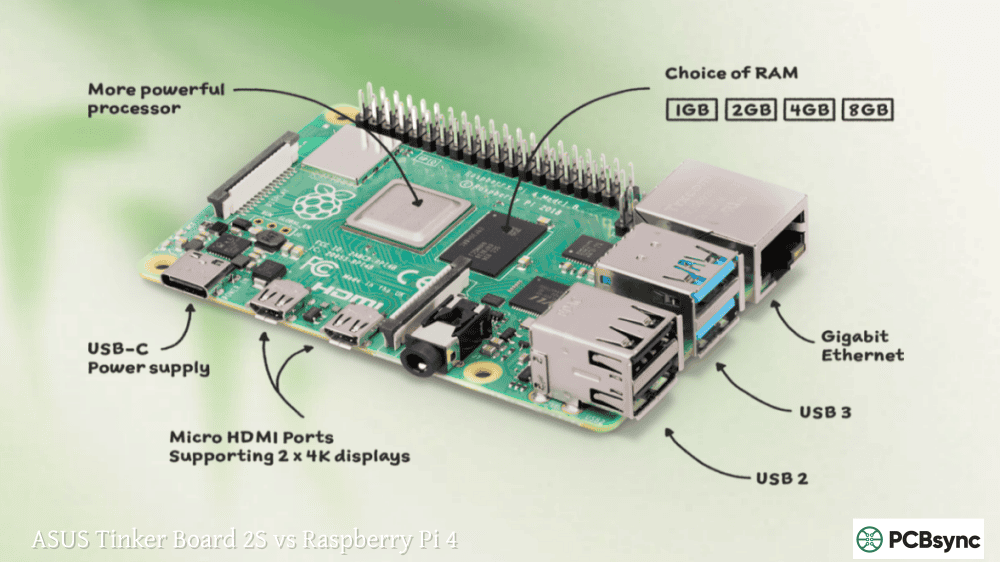
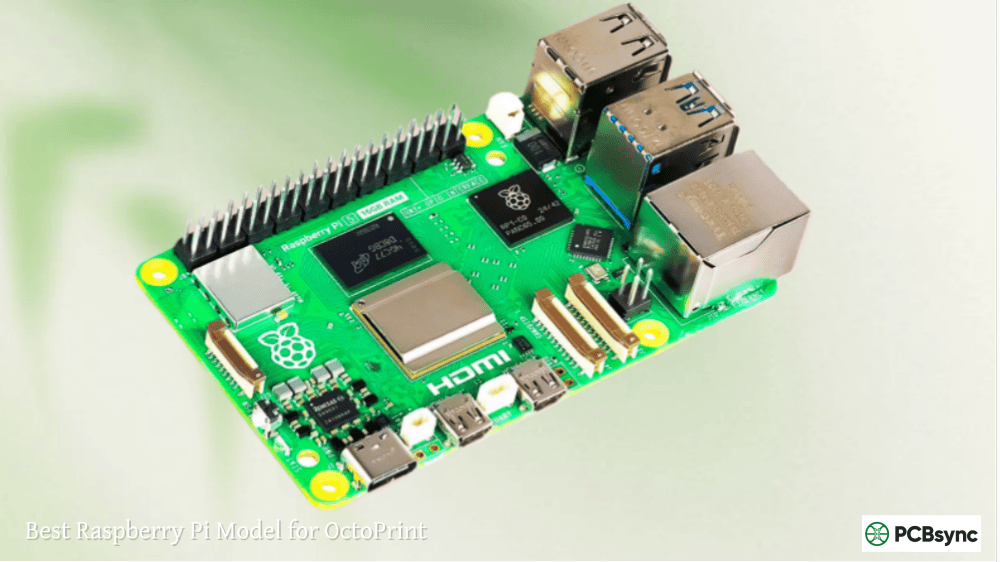
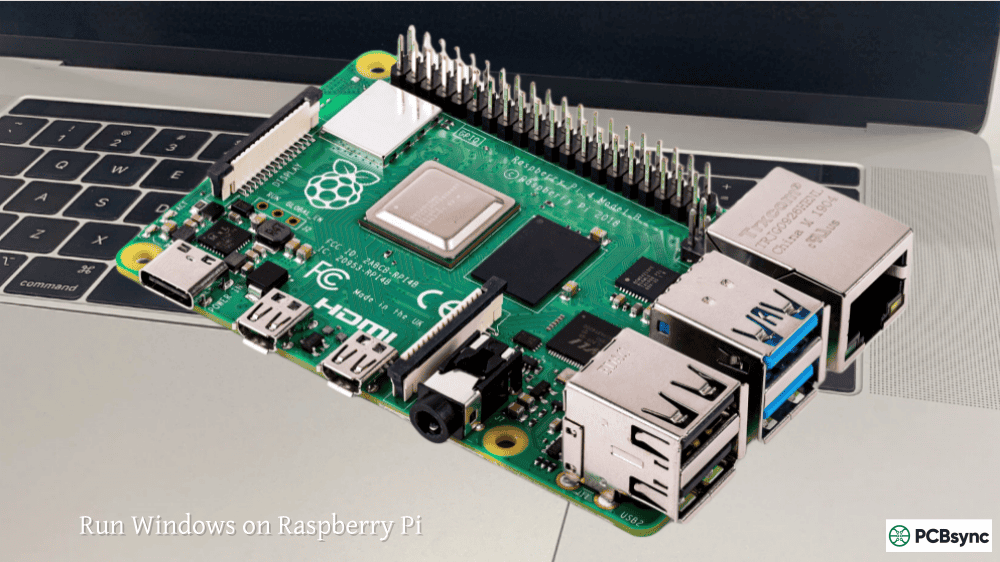
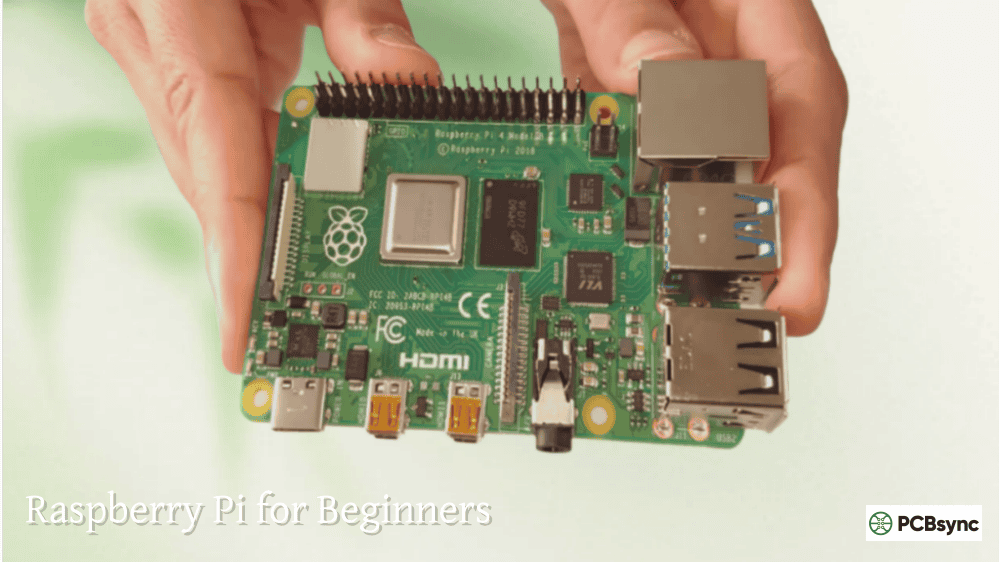
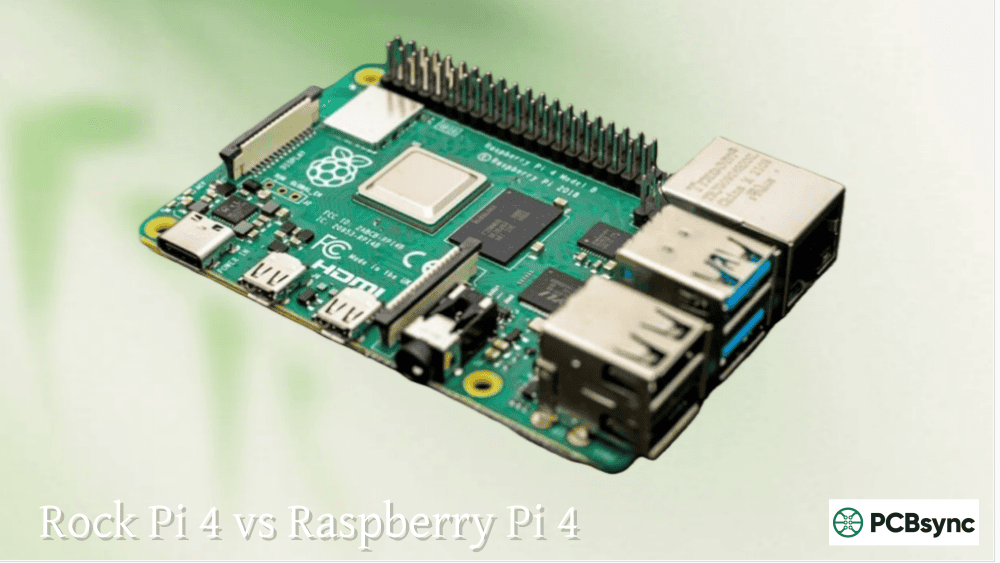
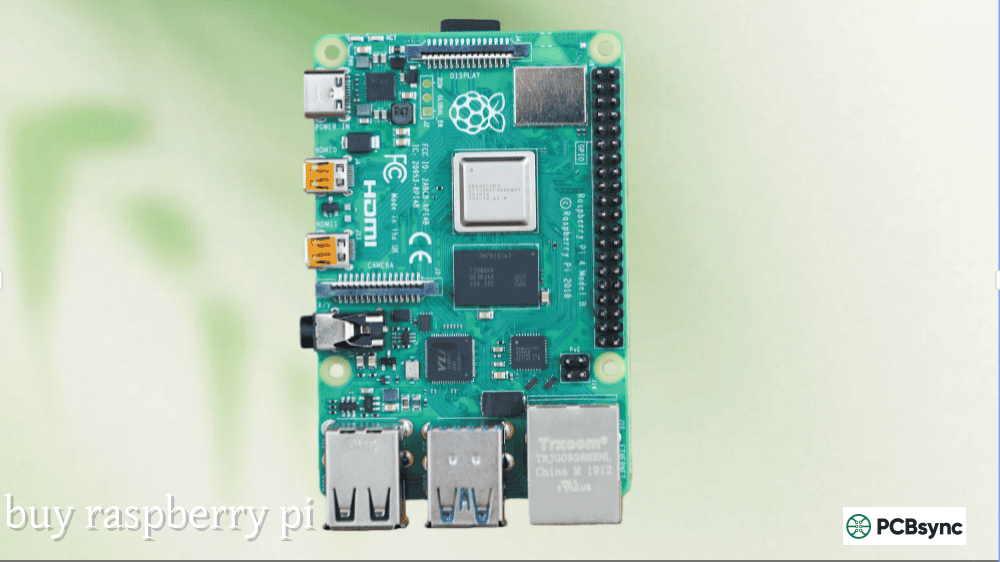
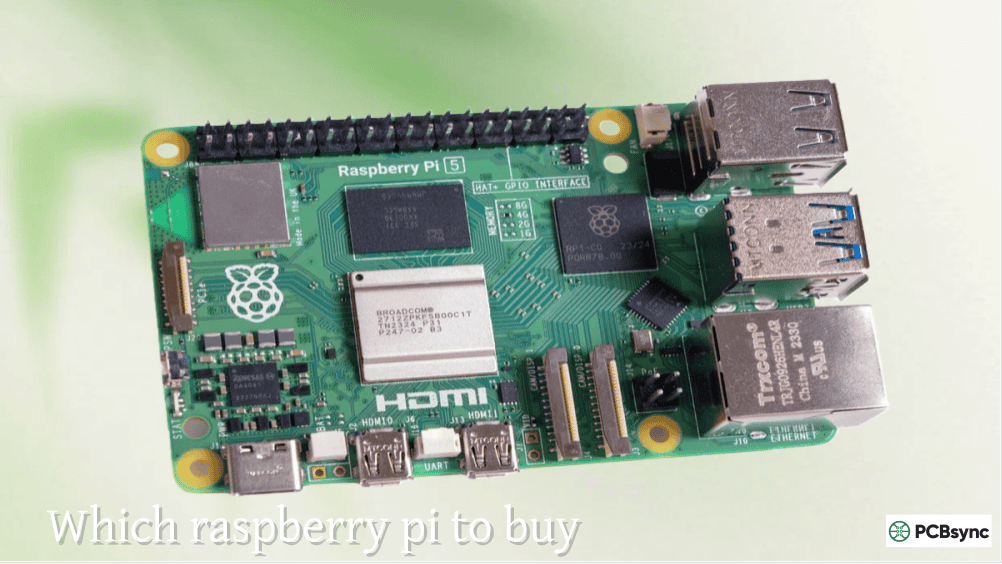
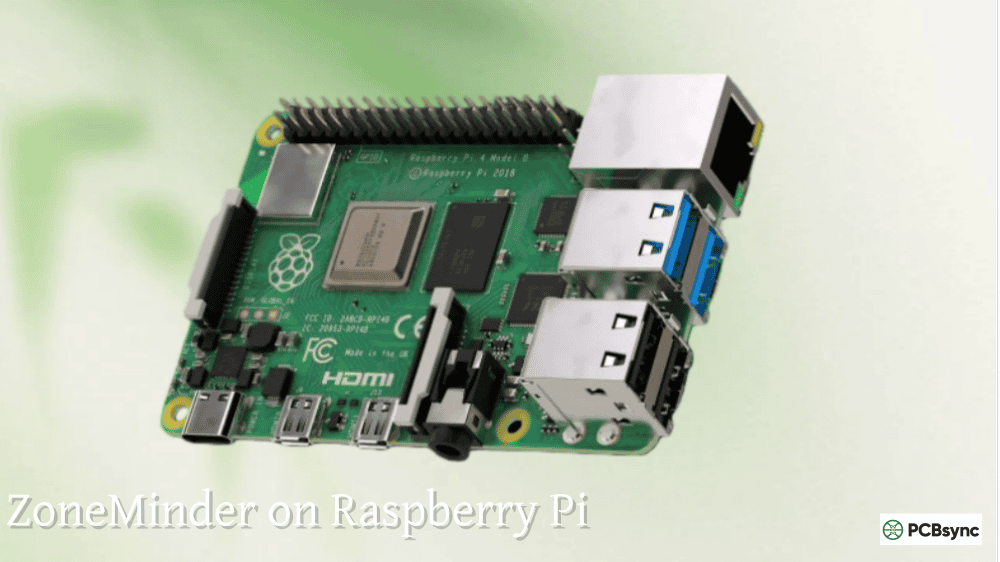
The Raspberry Pi 4 takes a simpler approach with a Broadcom BCM2711 quad-core Cortex-A72 processor running at 1.8 GHz (easily overclockable to 2.1 GHz). All four cores deliver consistent high performance without the complexity of heterogeneous computing.
Complete Specifications Table
Specification
ASUS Tinker Board 2S
Raspberry Pi 4 Model B
CPU
RK3399 (2x A72 @ 2.0GHz + 4x A53 @ 1.5GHz)
BCM2711 (4x A72 @ 1.8GHz)
GPU
Mali-T860 MP4
VideoCore VI
RAM Options
2GB, 4GB LPDDR4
1GB, 2GB, 4GB, 8GB LPDDR4
Onboard Storage
16GB eMMC
None (microSD only)
USB Ports
3x USB 3.2, 1x USB-C
2x USB 3.0, 2x USB 2.0
Video Output
HDMI 2.0, USB-C DisplayPort
2x micro-HDMI
Wi-Fi
802.11ac 2×2 MIMO
802.11ac
Bluetooth
5.0
5.0
Ethernet
Gigabit
Gigabit
GPIO
40-pin (Pi-compatible)
40-pin
Power Input
12-19V DC barrel
5V USB-C
Price (USD)
$119-149
$35-75
Performance Analysis
Raw specifications only tell part of the story. Real-world performance depends on software optimization, thermal management, and driver quality.
CPU Benchmarks
The tinker board 2 shows mixed results in benchmarking. While the dual Cortex-A72 cores theoretically match Raspberry Pi 4’s quad-A72 configuration for single-threaded tasks, multi-threaded workloads favor the Pi’s four identical high-performance cores.
In Sysbench testing, the Raspberry Pi 4 typically outperforms the Tinker Board 2S by 15-25% in multi-threaded scenarios. The Tinker Board’s Cortex-A53 efficiency cores, while power-saving, cannot match A72 performance when all cores are loaded.
Graphics Capabilities
The asus tinker board features a Mali-T860 MP4 GPU with support for OpenGL ES 3.2, OpenCL 1.2, and Vulkan 1.0. These specifications exceed the Raspberry Pi 4’s VideoCore VI on paper.
However, the Pi’s GPU benefits from years of driver optimization and community development. Vulkan support on Pi 4 has matured significantly, and general graphics performance proves comparable or superior in many real applications despite lower theoretical specifications.
Thermal Performance
Both boards require cooling under sustained load. The Tinker Board 2S ships with a heatsink, acknowledging its thermal requirements. During compilation tasks, temperatures can reach 70°C or higher without active cooling.
The Raspberry Pi 4 initially suffered thermal throttling issues, but firmware updates and readily available cooling solutions have largely addressed these concerns. The Pi’s extensive accessory ecosystem means finding effective cooling solutions is straightforward.
Storage and Connectivity
Storage performance significantly impacts user experience, and here the Tinker Board offers a genuine advantage.
Built-in eMMC Storage
The tinker board 2 includes 16GB of onboard eMMC storage, providing faster read/write speeds and better reliability than microSD cards. This built-in storage means the board boots and operates immediately without external media.
Storage Type
Sequential Read
Sequential Write
Random 4K Read
Tinker Board 2S eMMC
~150 MB/s
~50 MB/s
~15 MB/s
Raspberry Pi 4 + A1 SD
~90 MB/s
~35 MB/s
~8 MB/s
Raspberry Pi 4 + USB SSD
~350 MB/s
~300 MB/s
~25 MB/s
While the Tinker Board’s eMMC outperforms typical microSD cards, the Raspberry Pi 4’s USB 3.0 ports enable use of external SSDs that significantly exceed eMMC performance.
USB and Networking
The asus tinker board 2S provides three USB 3.2 Gen 1 Type-A ports and one USB-C port with OTG functionality. This configuration offers more high-speed ports than the Pi’s two USB 3.0 and two USB 2.0 arrangement.
Both boards feature true Gigabit Ethernet without the USB bottlenecks that plagued earlier Pi models. Network transfer speeds are essentially identical in testing.
Wi-Fi Performance
The Tinker Board 2S requires external antennas for Wi-Fi and Bluetooth connectivity. Without these antennas, wireless performance is severely degraded. This design choice increases cost and complexity compared to the Raspberry Pi 4’s integrated antenna solution.
When properly configured with antennas, the Tinker Board’s 2×2 MIMO 802.11ac delivers strong wireless performance. However, the fragile antenna connections create reliability concerns for portable or vibration-prone applications.
Software and Community Support
This category represents the Raspberry Pi’s most significant advantage, and it’s not particularly close.
Operating System Options
Platform
Official OS
Third-Party OS Options
Android Support
Tinker Board 2S
TinkerOS (Debian)
Armbian, Gentoo
Android 10
Raspberry Pi 4
Raspberry Pi OS
Ubuntu, Fedora, Manjaro, dozens more
Limited/unofficial
The Raspberry Pi supports virtually every ARM-compatible Linux distribution, plus specialized operating systems for media centers (LibreELEC), retro gaming (RetroPie), and home automation (Home Assistant OS). This variety reflects nearly fifteen years of community development.
The asus tinker board relies primarily on ASUS-provided TinkerOS, a Debian-based distribution. While functional, updates arrive less frequently, and community contributions remain limited compared to Raspberry Pi alternatives.
Documentation and Tutorials
Searching for Raspberry Pi tutorials yields millions of results covering every conceivable project. Forums, YouTube channels, and dedicated websites provide solutions for virtually any challenge.
The Tinker Board community, while growing, remains comparatively small. Finding project-specific guidance often requires adapting Raspberry Pi tutorials, which may or may not work depending on hardware and software differences.
Use Case Recommendations
Based on my testing, here’s where each board excels:
Choose the ASUS Tinker Board 2S For
The tinker board 2 makes sense for specific applications: media centers requiring 4K HDR playback with high-quality audio output, commercial IoT deployments where ASUS enterprise support matters, projects requiring Android 10 with good graphics performance, and applications benefiting from the reliability of eMMC over microSD storage.
The board’s superior audio hardware, using the same DAC chip found in Google Chromebook Pixel, delivers noticeably better sound quality than Raspberry Pi’s analog output.
Choose the Raspberry Pi 4 For
The Raspberry Pi 4 remains the better choice for learning and education due to its extensive documentation, general-purpose computing and home server applications, projects requiring specific software with Pi-optimized versions, budget-conscious builds where the 2-3x price difference matters, and any application where community support and troubleshooting resources prove valuable.
The cost difference between these boards is substantial and cannot be ignored:
Configuration
ASUS Tinker Board 2S
Raspberry Pi 4
2GB RAM
~$119
~$45
4GB RAM
~$149
~$55
8GB RAM
Not available
~$75
The Tinker Board 2S costs approximately 2-3 times more than a comparably-equipped Raspberry Pi 4. For the price of one Tinker Board 2S, you could purchase two or three Raspberry Pi 4 units.
Availability also differs. Raspberry Pi boards, despite recent supply challenges, remain widely available from numerous distributors. The Tinker Board 2S has more limited distribution, and finding stock at reasonable prices can prove challenging.
Useful Resources and Downloads
Resource
URL
Description
ASUS Tinker Board Wiki
tinkerboarding.co.uk
Community knowledge base
TinkerOS Downloads
tinker-board.asus.com
Official operating system
Raspberry Pi Downloads
raspberrypi.com/software
Official OS and tools
Armbian
armbian.com
Third-party Linux for Tinker
Raspberry Pi Forums
forums.raspberrypi.com
Community support
ASUS IoT Support
asus.com/support
Official documentation
Frequently Asked Questions
Is the ASUS Tinker Board 2S compatible with Raspberry Pi accessories?
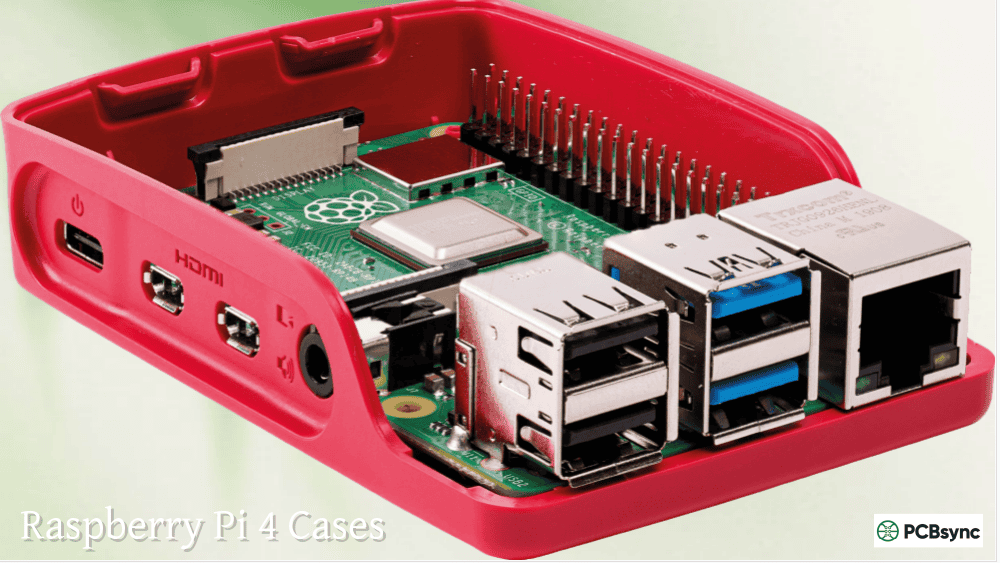
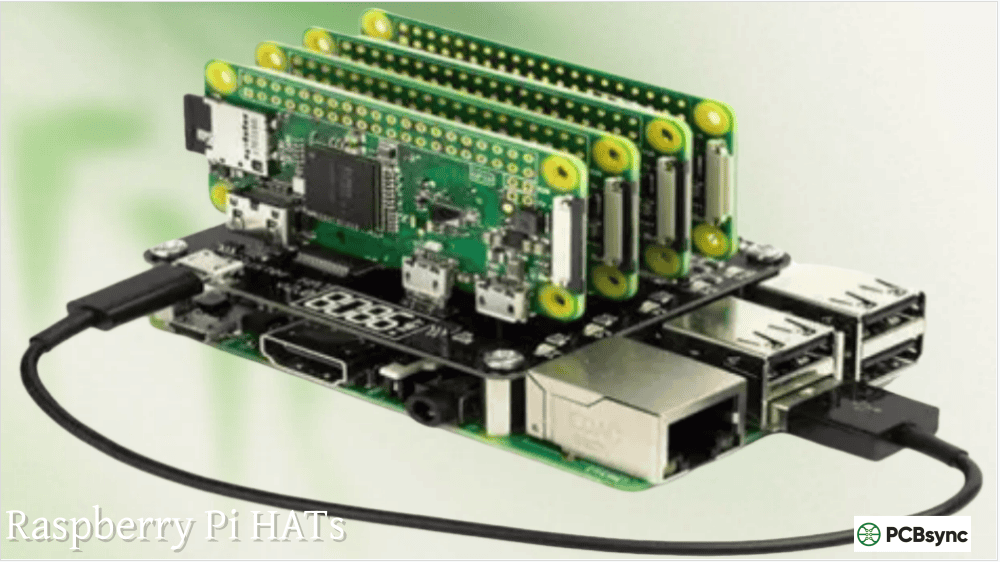
The Tinker Board 2S uses a 40-pin GPIO header with Raspberry Pi-compatible pinout, making many Pi HATs and accessories physically compatible. However, software compatibility varies. Some accessories requiring specific Pi drivers won’t function without modification. Cases designed for Raspberry Pi typically don’t fit the Tinker Board due to different port layouts and the larger heatsink.
Which board is better for a media center?
The Tinker Board 2S offers theoretical advantages for media centers with its 4K@60fps output and superior audio DAC. However, the Raspberry Pi 4 running LibreELEC or OSMC provides excellent 4K playback with vastly better software support and community-developed addons. Most users will find the Pi’s media center experience superior despite lower specifications.
Can the Tinker Board 2S run Raspberry Pi OS?
No, Raspberry Pi OS is specifically designed for Broadcom processors and won’t run on the Rockchip-based Tinker Board. TinkerOS provides a similar Debian-based experience, and Armbian offers another Linux option, but neither provides the same software ecosystem as Raspberry Pi OS.
Which board has better long-term support?
Raspberry Pi boards receive software updates for many years, with strong backward compatibility across generations. ASUS provides updates for the Tinker Board line but with less frequency and predictability. For projects requiring long-term software support, the Raspberry Pi’s proven track record offers greater confidence.
Is the performance difference worth the price premium?
For most users, no. The Tinker Board 2S’s performance advantages are modest and often offset by better software optimization on Raspberry Pi. The 2-3x price premium only makes sense for specific use cases requiring the Tinker Board’s particular strengths: Android support, superior audio, or preference for eMMC storage.
Power Requirements and Efficiency
The power supply requirements differ significantly between these boards and affect project design decisions.
Power Input Comparison
The Tinker Board 2S requires 12-19V DC input through a barrel connector, drawing up to 3A during peak loads. This higher voltage requirement means standard USB power supplies won’t work. You’ll need a dedicated 12V adapter, adding cost and complexity.
The Raspberry Pi 4 runs on standard 5V USB-C power, requiring a 3A supply for reliable operation. The ubiquitous USB-C ecosystem means finding compatible power supplies is trivial, and the Pi can even run from quality USB battery packs for portable applications.
Power Specification
ASUS Tinker Board 2S
Raspberry Pi 4
Input Voltage
12-19V DC
5V DC
Maximum Current
3A
3A
Connector Type
5.5mm barrel
USB-C
Typical Idle Power
~4W
~3W
Typical Load Power
~8W
~6W
For battery-powered or solar-powered projects, the Raspberry Pi 4’s lower voltage requirement and reduced power consumption provide meaningful advantages.
Industrial and Commercial Considerations
ASUS positions the Tinker Board 2S as an industrial-grade solution, and this shows in several design decisions.
The board includes ESD protection rated for ±15kV air discharge and ±8kV contact discharge, exceeding typical consumer-grade protection. Overvoltage protection circuitry guards against damage from unstable power supplies. ASUS also offers enterprise support options and Azure IoT certification for commercial deployments.
The Raspberry Pi 4, while widely used in commercial applications, lacks some of these industrial-focused features. However, industrial carrier boards from third parties add similar protection capabilities when needed.
Final Verdict
The asus tinker board 2S represents a capable single-board computer with genuine hardware advantages in certain areas. Its big.LITTLE processor, built-in eMMC storage, and superior audio output make it attractive for specific applications.
However, the Raspberry Pi 4 delivers better overall value for the vast majority of users. Its lower price, extensive software ecosystem, massive community support, and flexible RAM options outweigh the Tinker Board’s specification advantages. The Pi’s decade-long head start in community development creates an ecosystem that ASUS simply cannot match.
Choose the tinker board 2 if its specific strengths align perfectly with your project requirements and budget isn’t a primary concern. For everyone else, the Raspberry Pi 4 remains the single-board computer to beat.
Inquire: Call 0086-755-23203480, or reach out via the form below/your sales contact to discuss our design, manufacturing, and assembly capabilities.
Quote: Email your PCB files to Sales@pcbsync.com (Preferred for large files) or submit online. We will contact you promptly. Please ensure your email is correct.
Notes: For PCB fabrication, we require PCB design file in Gerber RS-274X format (most preferred), *.PCB/DDB (Protel, inform your program version) format or *.BRD (Eagle) format. For PCB assembly, we require PCB design file in above mentioned format, drilling file and BOM. Click to download BOM template To avoid file missing, please include all files into one folder and compress it into .zip or .rar format.