Inquire: Call 0086-755-23203480, or reach out via the form below/your sales contact to discuss our design, manufacturing, and assembly capabilities.
Quote: Email your PCB files to Sales@pcbsync.com (Preferred for large files) or submit online. We will contact you promptly. Please ensure your email is correct.
Notes: For PCB fabrication, we require PCB design file in Gerber RS-274X format (most preferred), *.PCB/DDB (Protel, inform your program version) format or *.BRD (Eagle) format. For PCB assembly, we require PCB design file in above mentioned format, drilling file and BOM. Click to download BOM template To avoid file missing, please include all files into one folder and compress it into .zip or .rar format.
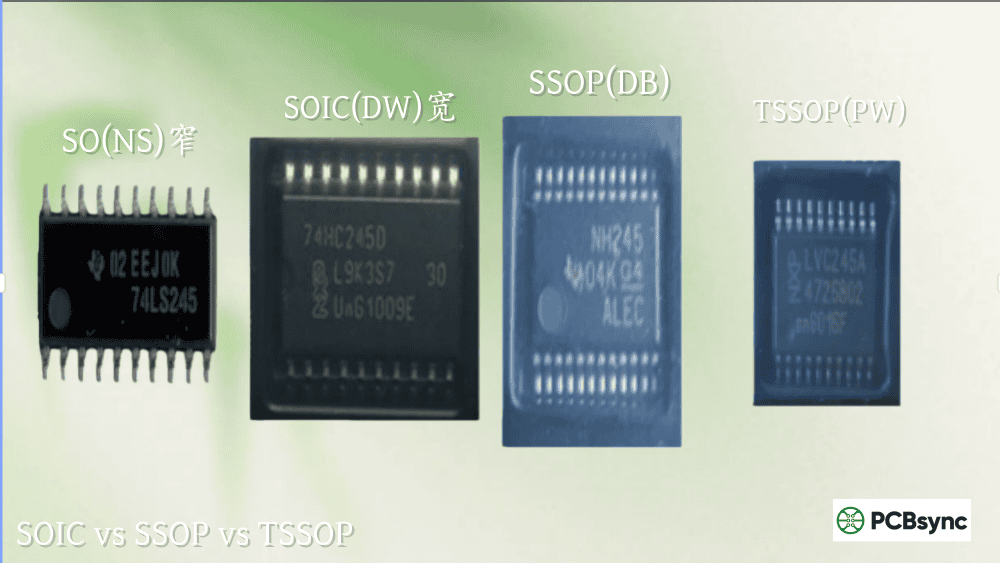
The small outline package family dominates modern PCB designs, but choosing between SOIC, SSOP, and TSSOP can significantly impact your board’s size, assembly process, and overall manufacturability. I’ve worked with all three package types across consumer electronics, industrial controls, and automotive projects, and the right choice depends entirely on your specific constraints.
This comprehensive SOIC package comparison covers the critical differences in dimensions, lead pitch, thermal performance, and assembly requirements. Whether you’re optimizing for board space or ease of hand soldering during prototyping, understanding SSOP vs TSSOP tradeoffs helps you make informed decisions early in your design cycle.
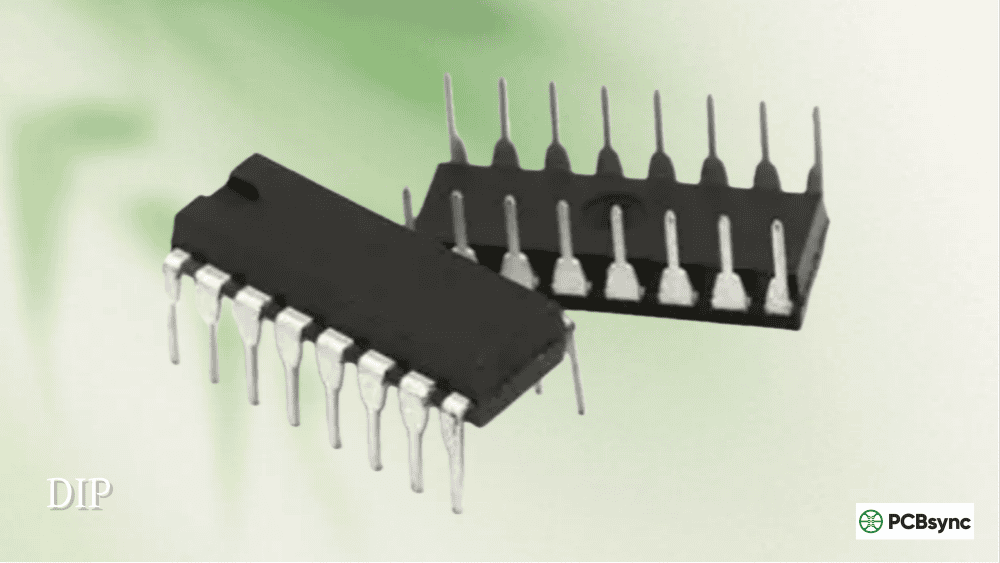
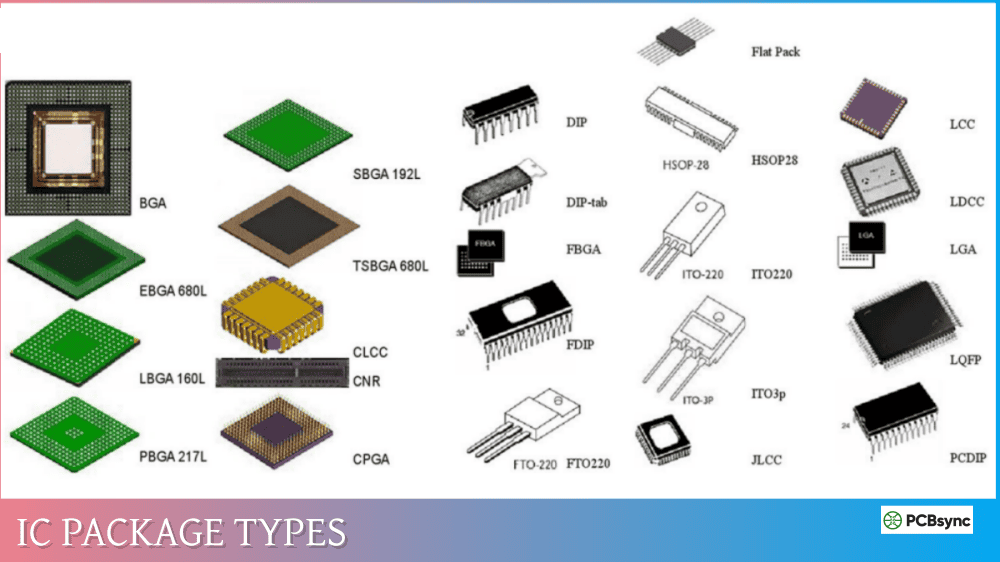
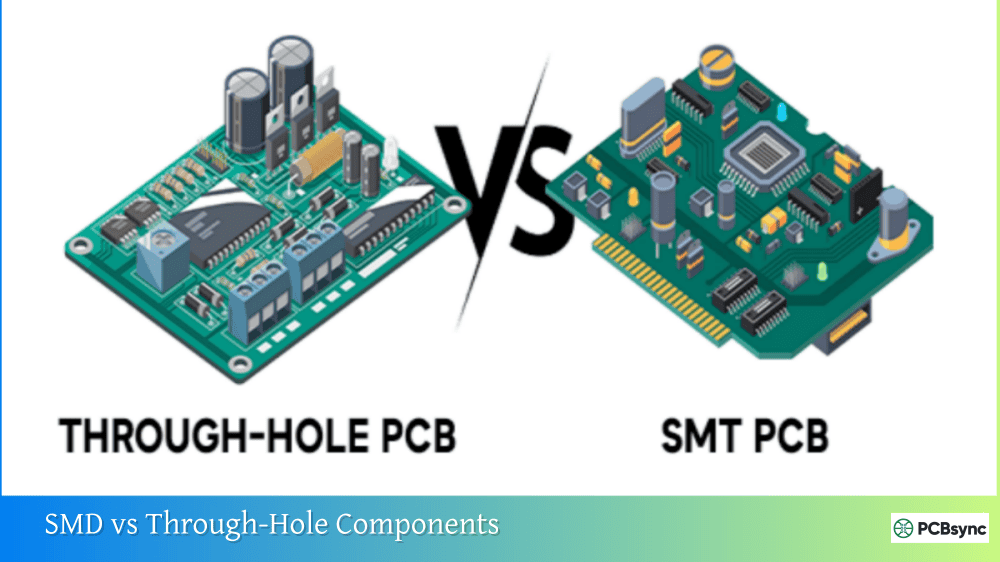
The small outline package family evolved from the need to replace bulky through-hole DIP packages with surface mount alternatives. All three packages share the same fundamental architecture: a rectangular plastic body with gull-wing leads extending from two opposite sides. The differences lie in their dimensions, lead pitch, and package height.
What is an SOIC Package?
The SOIC package (Small Outline Integrated Circuit) represents the original surface mount adaptation of the DIP package. It occupies 30-50% less board area than an equivalent DIP while maintaining the same pin-outs, making migration from through-hole to surface mount straightforward.
Key SOIC package characteristics include a 1.27mm (50 mil) lead pitch, which provides excellent tolerance for automated assembly and remains manageable for hand soldering. Body widths follow JEDEC standards, with narrow body (3.9mm) and wide body (7.5mm) being most common. The package height typically ranges from 1.5mm to 1.75mm.
SOIC naming conventions follow the format SO-N or SOIC-N, where N indicates pin count. An SOIC-16, for example, has 16 pins arranged in two rows of 8.
What is an SSOP Package?
SSOP (Shrink Small Outline Package) reduces the SOIC footprint by tightening the lead pitch and compressing the body dimensions. The “shrink” designation accurately describes its purpose: achieving higher pin density in less board space.
The standard SSOP lead pitch is 0.65mm (25.6 mil), roughly half the SOIC pitch. Body widths typically come in 150 mil (3.8mm), 209 mil (5.3mm), and 300 mil (7.6mm) variants. Package height ranges from 1.65mm to 1.85mm, similar to SOIC.
SSOP packages support pin counts from 8 to 64, enabling complex ICs in compact form factors. The tighter pitch demands more precise assembly processes but rewards designers with significant space savings.
What is a TSSOP Package?
TSSOP (Thin Shrink Small Outline Package) combines the reduced pitch of SSOP with a dramatically thinner profile. As the name suggests, “thin” is the distinguishing feature—package height drops to 0.9mm to 1.2mm, roughly half the thickness of standard SOIC or SSOP.
TSSOP lead pitch is typically 0.65mm, matching SSOP, though 0.5mm variants exist for higher density applications. Body widths come in 3.0mm, 4.4mm, and 6.1mm options, conforming to JEDEC standards. Pin counts range from 8 to 80.
The thin profile makes TSSOP essential for applications with strict height constraints—smartphones, tablets, thin laptops, and other portable devices where every millimeter matters.
SOIC vs SSOP vs TSSOP: Complete Specification Comparison
Understanding the dimensional differences helps you make the right package selection.
Specification
SOIC Package
SSOP
TSSOP
Lead Pitch
1.27mm (50 mil)
0.65mm (25.6 mil)
0.65mm or 0.5mm
Body Width
3.9mm or 7.5mm
3.8mm to 7.6mm
3.0mm, 4.4mm, 6.1mm
Package Height
1.5-1.75mm
1.65-1.85mm
0.9-1.2mm
Pin Count Range
8-28 typical
8-64
8-80
JEDEC Standard
MS-012, MS-013
MO-118, MO-150
MO-153
Lead Pitch and Pin Density Impact
The lead pitch difference between SOIC package and its shrink variants fundamentally changes PCB design requirements.
Lead Pitch
Package Types
Trace Width Under Package
Via Placement
1.27mm
SOIC
0.3mm traces feasible
Between pads possible
0.65mm
SSOP, TSSOP
0.15-0.2mm required
Limited space
0.5mm
Fine-pitch TSSOP
0.1mm minimum
Escape vias needed
With SOIC’s generous 1.27mm pitch, you can route traces between pads on a two-layer board without difficulty. The 0.65mm pitch of SSOP and TSSOP typically requires either finer trace/space rules or additional PCB layers for escape routing.
Size and Footprint Comparison
Board space savings drive many decisions in the SSOP vs TSSOP selection process.
Footprint Area by Pin Count
Pin Count
SOIC Footprint
SSOP Footprint
TSSOP Footprint
8 pins
~20mm²
~15mm²
~12mm²
14 pins
~32mm²
~22mm²
~18mm²
16 pins
~38mm²
~26mm²
~20mm²
20 pins
~48mm²
~32mm²
~25mm²
28 pins
~70mm²
~45mm²
~35mm²
Moving from SOIC to SSOP typically saves 25-35% board area. TSSOP provides an additional 15-25% reduction over SSOP. For designs with dozens of ICs, these savings compound significantly.
Height Profile Considerations
Package height becomes critical in space-constrained applications:
Package
Typical Height
Applications
SOIC
1.5-1.75mm
General purpose, industrial
SSOP
1.65-1.85mm
Consumer electronics, telecom
TSSOP
0.9-1.2mm
Mobile devices, thin laptops, wearables
TSSOP’s sub-1.2mm profile enables designs impossible with thicker packages. For stacked PCB assemblies or products with tight enclosure constraints, TSSOP often becomes the only viable option.
Assembly and Soldering Comparison
Assembly complexity increases as package dimensions shrink. Understanding these tradeoffs helps balance design goals against manufacturing realities.
Hand Soldering Feasibility
From a practical standpoint, the SOIC package remains the most accessible for prototyping and rework:
Package
Hand Soldering
Skill Level
Equipment Needed
SOIC
Easy
Beginner-intermediate
Standard iron, 0.5mm tip
SSOP
Moderate
Intermediate
Fine tip (0.3mm), flux, magnification
TSSOP
Challenging
Advanced
Fine tip, flux, good magnification
SOIC’s 1.27mm pitch provides comfortable margins for manual work. The “lake of solder and wick” technique works reliably even with modest soldering skills. For SSOP and TSSOP, the same technique applies but requires steadier hands and better optical aids.
Automated Assembly Considerations
Production assembly differs in process requirements:
SOIC Package Assembly:
Standard stencil thickness (0.125-0.15mm) works well
The tighter pitch of shrink packages increases solder bridge probability:
Package
Lead Pitch
Bridge Risk
Primary Mitigation
SOIC
1.27mm
Low
Standard processes
SSOP
0.65mm
Moderate
Optimized stencil apertures
TSSOP
0.65mm/0.5mm
Higher
Precision paste deposition, nitrogen reflow
Electrical Performance Characteristics
Package geometry influences electrical behavior, particularly at higher frequencies.
Parasitic Inductance and Capacitance
Shorter leads in shrink packages reduce parasitic effects:
Package
Lead Length
Typical Lead Inductance
Impact
SOIC
Longer
3-5nH per lead
Higher impedance at frequency
SSOP
Medium
2-3nH per lead
Improved high-frequency performance
TSSOP
Shortest
1.5-2.5nH per lead
Best signal integrity
For applications above 50-100MHz, the reduced lead inductance of TSSOP provides measurable signal integrity benefits. The shorter interconnect paths between die and PCB minimize parasitic effects that can cause ringing, overshoot, and EMI issues.
Frequency Performance Guidelines
Application Frequency
Recommended Package
DC to 25MHz
Any (SOIC acceptable)
25-100MHz
SSOP or TSSOP preferred
100-500MHz
TSSOP recommended
Above 500MHz
TSSOP or QFN required
Thermal Management Comparison
Heat dissipation capabilities vary across the small outline package family.
Standard Package Thermal Performance
Without exposed thermal pads, all three packages rely on lead conduction for heat transfer:
Package
Typical θJA
Thermal Path
Limitation
SOIC
80-120°C/W
Through leads to PCB
Limited by lead cross-section
SSOP
90-130°C/W
Through leads
Thinner leads reduce capacity
TSSOP
100-150°C/W
Through leads
Thin profile limits mass
For ICs dissipating more than 0.5-1W, standard small outline packages may prove inadequate without additional thermal management strategies.
Enhanced Thermal Variants
Several thermal-enhanced variants address power dissipation needs:
Variant
Description
Thermal Improvement
HSOIC
SOIC with exposed pad
30-50% lower θJA
HTSSOP
TSSOP with exposed pad
Similar improvement
PowerPAD
Texas Instruments designation
Excellent thermal path
These variants include an exposed metal pad on the package underside, providing a direct thermal path from die to PCB. PCB design must include a matching thermal pad with via connections to internal copper planes.
When selecting complex ICs like Altera FPGA devices, thermal considerations often drive package selection toward exposed-pad variants or larger packages entirely.
Application Selection Guidelines
Different applications favor different package choices.
When to Choose SOIC Package
The SOIC package remains optimal for:
Prototype development: Easy hand soldering and rework
Low-frequency applications: General-purpose logic, power management
Frequently Asked Questions About SOIC, SSOP, and TSSOP
What is the main difference between SOIC and SSOP packages?
The primary difference is lead pitch. SOIC uses 1.27mm (50 mil) pitch while SSOP uses 0.65mm (25.6 mil) pitch. This tighter spacing allows SSOP to fit more pins in a smaller footprint or achieve smaller packages at the same pin count. SSOP typically saves 25-35% board area compared to equivalent SOIC packages. However, the finer pitch makes SSOP more challenging for hand soldering and requires more precise automated assembly processes.
Is TSSOP easier or harder to solder than SSOP?
TSSOP and SSOP have the same lead pitch (typically 0.65mm), so the soldering difficulty is similar from a pin spacing perspective. However, TSSOP’s thinner profile (0.9-1.2mm vs 1.65-1.85mm) can make handling slightly more challenging during manual assembly. The thinner package also has less thermal mass, which affects heat distribution during soldering. For hand soldering, both require good technique, flux, and adequate magnification. The main challenge with both packages compared to SOIC is the reduced margin for error due to the tighter pitch.
Can I replace an SOIC with an SSOP or TSSOP of the same pin count?
No, these packages are not directly interchangeable despite having the same pin count. The different lead pitches and body dimensions mean the PCB footprints are completely different. Replacing an SOIC-16 with an SSOP-16 or TSSOP-16 requires a new PCB layout with updated land patterns. Some manufacturers offer the same IC in multiple package options, but you must design your PCB specifically for the package you intend to use. Always verify package availability before finalizing your design.
Which small outline package has the best thermal performance?
Among standard (non-thermal-enhanced) variants, SOIC typically offers the best thermal performance due to larger lead cross-sections that conduct more heat to the PCB. However, all standard small outline packages have relatively poor thermal resistance (80-150°C/W) because they rely solely on lead conduction. For applications requiring better thermal management, choose thermal-enhanced variants like HTSSOP (TSSOP with exposed pad) or HSOIC, which include an exposed metal pad that solders directly to a PCB thermal pad. These variants can reduce thermal resistance by 30-50%.
What PCB layer count do I need for TSSOP packages?
While technically possible on two-layer boards, TSSOP packages typically benefit from four or more PCB layers. The 0.65mm (or 0.5mm) lead pitch leaves minimal space between pads for trace routing. With only two layers, escape routing becomes very challenging, especially for higher pin counts. Four-layer boards allow signal traces on outer layers with power and ground planes inside, simplifying routing while improving signal integrity. For TSSOP packages with 28+ pins or fine-pitch variants, six layers may be appropriate depending on your routing density requirements.
Inquire: Call 0086-755-23203480, or reach out via the form below/your sales contact to discuss our design, manufacturing, and assembly capabilities.
Quote: Email your PCB files to Sales@pcbsync.com (Preferred for large files) or submit online. We will contact you promptly. Please ensure your email is correct.
Notes: For PCB fabrication, we require PCB design file in Gerber RS-274X format (most preferred), *.PCB/DDB (Protel, inform your program version) format or *.BRD (Eagle) format. For PCB assembly, we require PCB design file in above mentioned format, drilling file and BOM. Click to download BOM template To avoid file missing, please include all files into one folder and compress it into .zip or .rar format.