Inquire: Call 0086-755-23203480, or reach out via the form below/your sales contact to discuss our design, manufacturing, and assembly capabilities.
Quote: Email your PCB files to Sales@pcbsync.com (Preferred for large files) or submit online. We will contact you promptly. Please ensure your email is correct.
Notes: For PCB fabrication, we require PCB design file in Gerber RS-274X format (most preferred), *.PCB/DDB (Protel, inform your program version) format or *.BRD (Eagle) format. For PCB assembly, we require PCB design file in above mentioned format, drilling file and BOM. Click to download BOM template To avoid file missing, please include all files into one folder and compress it into .zip or .rar format.
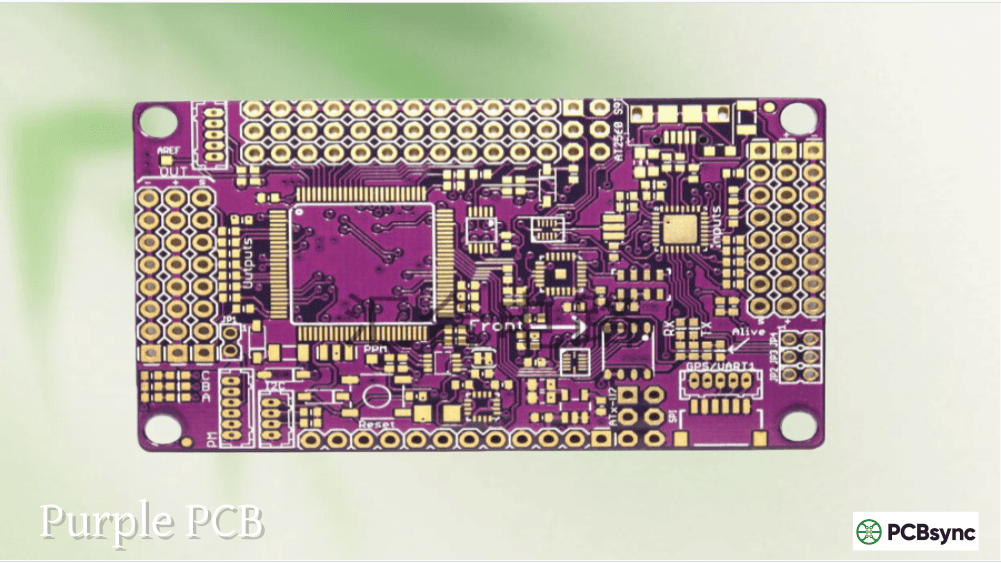
If you’ve spent any time in the maker community or ordered prototype boards from OSH Park, you’ve probably noticed those distinctive purple PCBs. They’ve become something of a calling card for hobbyists and open-source hardware developers worldwide. But purple solder mask isn’t just about aesthetics—there are genuine engineering reasons why purple circuit boards have earned their place in professional and enthusiast projects alike.
I’ve been designing PCBs for over a decade, and I’ll admit that my first purple board felt like a small rebellion against the sea of green that dominates our industry. Since then, I’ve used purple solder mask in everything from audio equipment prototypes to consumer electronics. Here’s what I’ve learned about when purple PCB makes sense and when you might want to stick with traditional colors.
A purple PCB gets its distinctive color from the solder mask—that thin polymer layer covering the copper traces that protects against oxidation, prevents solder bridges during assembly, and gives the board its visual identity. The solder mask itself uses purple pigments mixed into the base material, applied through either liquid photo-imageable (LPI) or screen printing processes.
Functionally, the solder mask performs identically regardless of color. Your signals travel the same way, your impedances remain unchanged, and your board’s electrical characteristics don’t shift because you chose purple over green. What changes is visibility, manufacturing considerations, and how your board presents itself in finished products.
The purple color typically falls into the violet spectrum, somewhere between the deeper hues used by services like OSH Park and lighter lavender shades offered by other fabricators. Some manufacturers achieve the color through direct pigmentation, while others use a two-stage process where a base mask receives additional colored layers.
Key Benefits of Purple Solder Mask
Visual Distinction and Brand Recognition
Purple PCBs stand out. There’s no getting around it. In a world where 90% of circuit boards are green, purple creates instant visual differentiation that can matter for branding, product identity, or simply making your prototype recognizable on a crowded workbench.
OSH Park built an entire identity around their “Perfect Purple PCBs,” and their boards have become synonymous with open-source hardware projects. When someone sees a purple board, they often associate it with maker culture, innovation, and community-driven design. For startups and independent hardware developers, this association carries real value.
Good Contrast for Component Identification
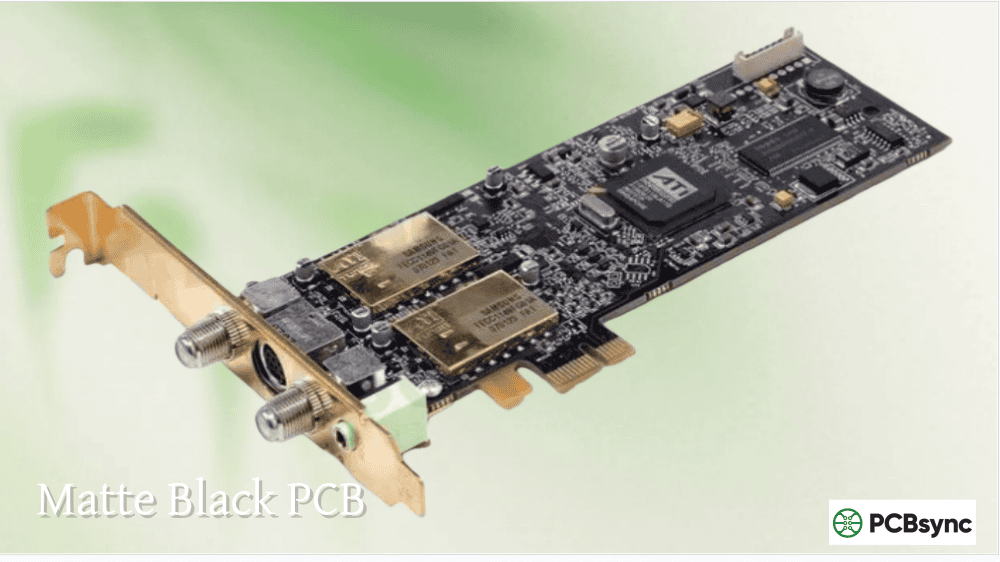
Purple solder mask provides solid contrast between traces, planes, and empty spaces on your board. While it doesn’t quite match the visibility of green, purple outperforms black and white masks for visual inspection. The color creates enough differentiation that you can follow traces with reasonable clarity during debugging or rework.
White silkscreen prints cleanly against purple backgrounds, making reference designators, component outlines, and polarity markings easy to read. This matters during hand assembly when you’re placing components and need to quickly identify positions without constantly referencing your placement files.
Heat Resistance Properties
Purple solder masks—particularly those using polyimide-based formulations—often exhibit excellent thermal stability. These materials can handle the elevated temperatures associated with lead-free soldering processes (up to 260-290°C) without yellowing or degradation. For applications involving higher thermal stress, purple boards with appropriate material choices can outperform some lighter-colored alternatives.
Enhanced Dielectric Performance
Quality purple solder masks demonstrate good dielectric properties with low signal loss characteristics. This makes them suitable for RF applications and high-frequency designs where signal integrity matters. The dielectric strength typically falls in the 600-1000V/mil range, providing adequate insulation for most applications.
Purple PCB vs Other Solder Mask Colors
Understanding how purple compares to other options helps you make informed decisions for your specific project:
Characteristic
Purple PCB
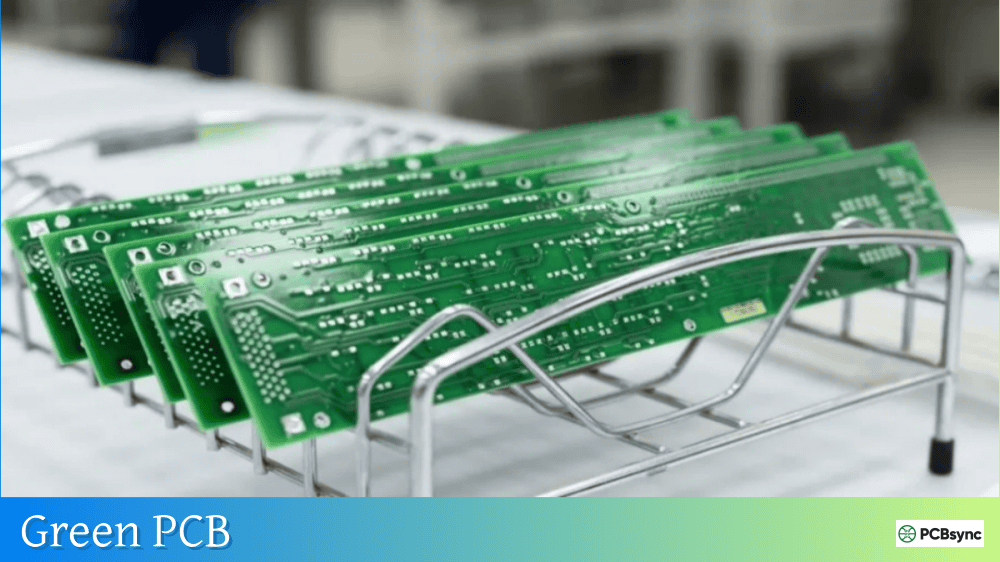
Green PCB
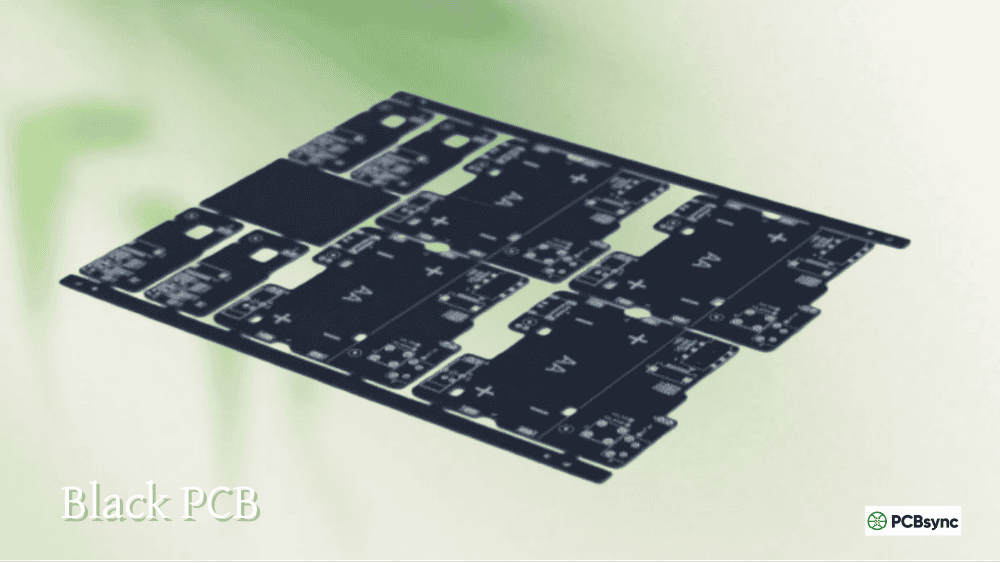
Black PCB
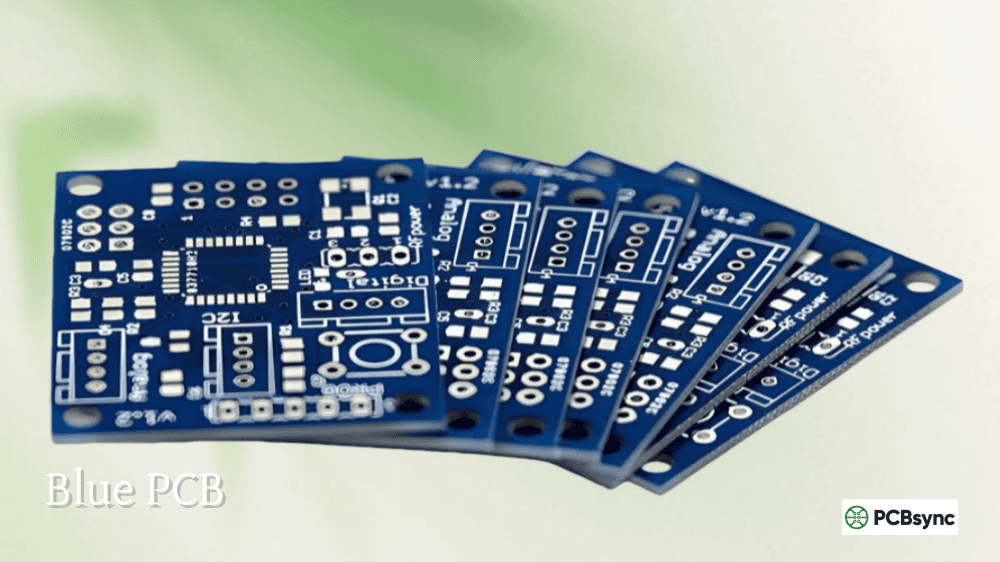
Blue PCB
Trace Visibility
Good
Excellent
Poor
Moderate
Silkscreen Contrast
Good (white)
Excellent (white)
Good (white)
Good (white)
AOI Compatibility
May need calibration
Optimized
Challenging
Moderate
Cost Premium
10-15% higher
Baseline
5-10% higher
Similar to green
Availability
Limited suppliers
Universal
Common
Common
Heat Absorption
Moderate
Low
High
Moderate
Aesthetic Appeal
Premium/Unique
Standard
Premium/Sleek
Tech-focused
Inspection Ease
Moderate
Best
Difficult
Moderate
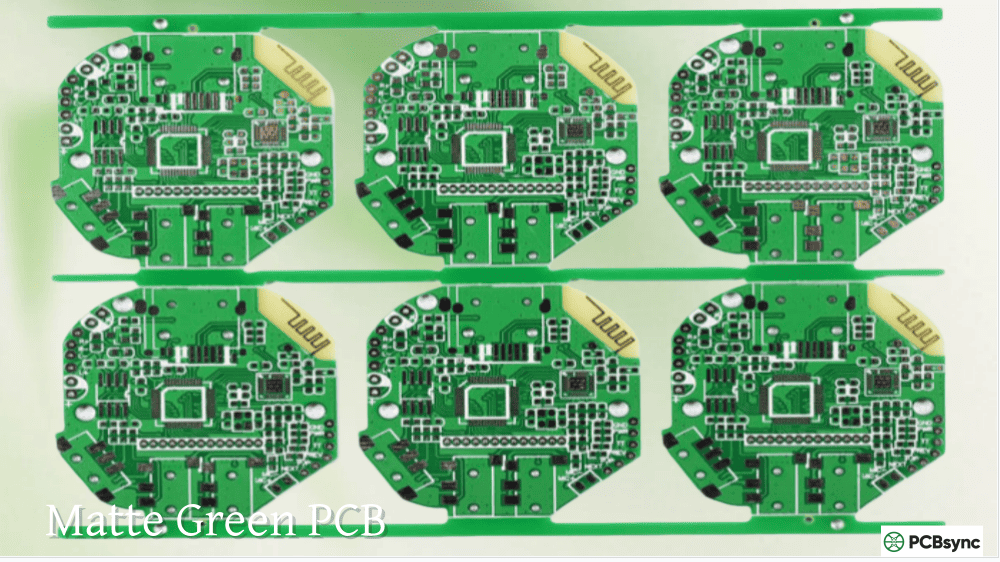
Green remains the industry standard for good reason—it offers the best balance of visibility, cost, and manufacturing compatibility. Purple trades some of that practicality for visual distinction and niche technical advantages.
Best Applications for Purple Circuit Boards
Open-Source Hardware Projects
The maker community has embraced purple PCBs as their signature color. Services like OSH Park deliver exclusively purple boards, and that color has become associated with collaborative, open-source development. If you’re creating hardware meant for the maker community or publishing designs for others to build, purple signals that your project belongs to that ecosystem.
Prototype Development and Revision Tracking
Using different solder mask colors for different prototype revisions is a practical technique that prevents costly mix-ups. Purple works well as a revision indicator—it’s distinctive enough that you won’t accidentally grab the wrong board when testing or assembling. Some engineering teams adopt color coding schemes where purple represents specific development stages.
Consumer Electronics with Visible Boards
Products where the PCB is visible through transparent enclosures benefit from distinctive solder mask colors. Gaming peripherals, custom keyboards, audio equipment, and desktop gadgets often expose their internals as a design feature. Purple boards add visual interest that standard green can’t match.
Premium and Limited-Edition Products
Purple carries psychological associations with premium quality, creativity, and exclusivity. Brands launching limited-edition products or positioning hardware as high-end sometimes choose purple solder mask to reinforce that premium perception. It’s not about electrical performance—it’s about the message the product sends.
Marine and Submarine Applications
Interestingly, purple solder mask has found a niche in marine electronics. Some manufacturers specify purple for submarine and underwater equipment, though this relates more to organizational standards and visual identification than any inherent technical advantage of the color itself.
Manufacturing Considerations for Purple PCB
Cost Implications
Expect purple solder mask to cost 10-15% more than standard green for typical orders. This premium comes from several factors: specialized pigments cost more than green alternatives, production volumes are lower (meaning less economy of scale), and fabricators may need to clean equipment between color runs.
For high-volume production, negotiate with your manufacturer—the percentage premium often decreases as quantities increase. Some fabricators that specialize in colored masks offer more competitive pricing than general-purpose shops.
Lead Time Considerations
Purple boards typically require longer lead times than green. Most fabricators batch non-green orders to improve efficiency, which means your purple boards might wait for enough similar orders to fill a panel. Plan for an extra 2-5 days compared to standard green production, though this varies significantly by supplier.
Minimum Order Quantities
Some manufacturers impose higher MOQs for non-standard colors. This protects them from inefficient small runs that require equipment changeover. If you’re ordering small quantities, services like OSH Park that exclusively produce purple boards avoid this issue entirely.
AOI and Inspection Adjustments
Automated Optical Inspection systems are typically calibrated for green boards. Purple solder mask may require AOI recalibration or adjusted lighting to achieve reliable defect detection. Discuss this with your contract manufacturer before committing to purple for production volumes where automated inspection is critical.
Purple PCB Specifications and Quality Standards
When specifying purple boards, ensure your manufacturer meets these technical requirements:
Parameter
Typical Specification
Wet Film Thickness
20-30 μm (before curing)
Dry Film Thickness
9-11 μm (after curing)
Solder Dam Minimum
5 mil (0.127 mm)
Hardness
≥6H (ASTM D3363)
Thermal Resistance
288°C for 10+ seconds
Dielectric Strength
600-1000 V/mil
Adhesion
Must pass tape test
Chemical Resistance
Withstand standard fluxes
These specifications ensure your purple solder mask performs reliably through assembly and operation. Request material datasheets from your fabricator to verify their purple mask meets appropriate IPC standards.
Silkscreen Color Pairing for Purple PCB
Choosing the right silkscreen color affects readability and overall board appearance:
Silkscreen Color
Contrast Level
Recommended Use
White
Good
Standard choice, best overall readability
Yellow
Moderate
Alternative for specific aesthetics
Black
Poor
Not recommended—low visibility
White silkscreen on purple solder mask is the standard combination. It provides adequate contrast for reference designators and component markings without the issues you’d encounter with darker silkscreen colors. Some designers experiment with yellow for a warmer appearance, but white remains the practical choice.
Not every fabricator offers purple solder mask, and quality varies significantly among those that do. Look for:
Experience with colored masks: Manufacturers who regularly produce non-green boards understand the process nuances better than those treating it as a special request.
IPC certification: Ensure they follow IPC standards for solder mask thickness, adhesion, and curing to guarantee consistent quality.
Sample availability: Request samples before committing to production quantities. Evaluate color consistency, silkscreen clarity, and overall finish quality.
ENIG compatibility: If you’re using Electroless Nickel Immersion Gold finish (common with purple boards from OSH Park), confirm the manufacturer’s process produces clean, solderable pads.
Popular Purple PCB Services
OSH Park remains the most recognized name in purple PCBs, offering $5 per square inch pricing with ENIG finish included. Their boards ship in multiples of three, manufactured in the USA with free worldwide shipping.
JLCPCB and PCBWay offer purple as a color option at modest premiums over their green baseline pricing, with faster turnaround than batch services.
Advanced Circuits and other domestic US manufacturers can produce purple boards for customers willing to pay professional-grade pricing.
Common Myths About Purple PCBs
Myth: Purple boards perform better electrically. Reality: Solder mask color has no impact on electrical performance. Signal integrity, current capacity, and impedance depend on board material, stackup, and trace geometry—not pigment.
Myth: Purple is harder to manufacture. Reality: The manufacturing process is essentially identical to other colors. The main differences are pigment sourcing and batch scheduling, not fundamental process changes.
Myth: Purple costs significantly more. Reality: The premium is typically 10-15%, which becomes negligible at production volumes. For prototype quantities, services like OSH Park make purple price-competitive with other options.
Myth: Purple is only for hobbyists. Reality: While the maker community popularized purple boards, professional applications in consumer electronics, medical devices, and industrial equipment use purple solder mask for legitimate branding and organizational reasons.
Frequently Asked Questions About Purple PCB
Does purple solder mask affect signal integrity?
No. Signal integrity depends on your board’s dielectric material, copper weight, trace geometry, and stackup design. The solder mask color—whether purple, green, or any other option—has no measurable effect on how signals propagate through your traces.
Which silkscreen color works best on purple PCB?
White silkscreen provides the best contrast and readability on purple solder mask. It’s the industry standard pairing and what most manufacturers will default to unless you specify otherwise. Yellow can work as an alternative, but black silkscreen on purple is not recommended due to poor visibility.
Are purple PCBs suitable for high-reliability applications?
Yes, provided you specify appropriate materials and work with qualified manufacturers. The solder mask color doesn’t affect reliability—proper material selection, manufacturing processes, and design practices determine whether your board meets high-reliability requirements. Purple boards are used in automotive, medical, and aerospace applications when properly specified.
Why are OSH Park boards always purple?
OSH Park chose purple as their signature color to differentiate their service and create brand recognition within the maker community. The distinctive color makes their boards instantly recognizable and has become synonymous with open-source hardware development. It’s a branding decision rather than a technical one.
Can I get purple solder mask on flexible PCBs?
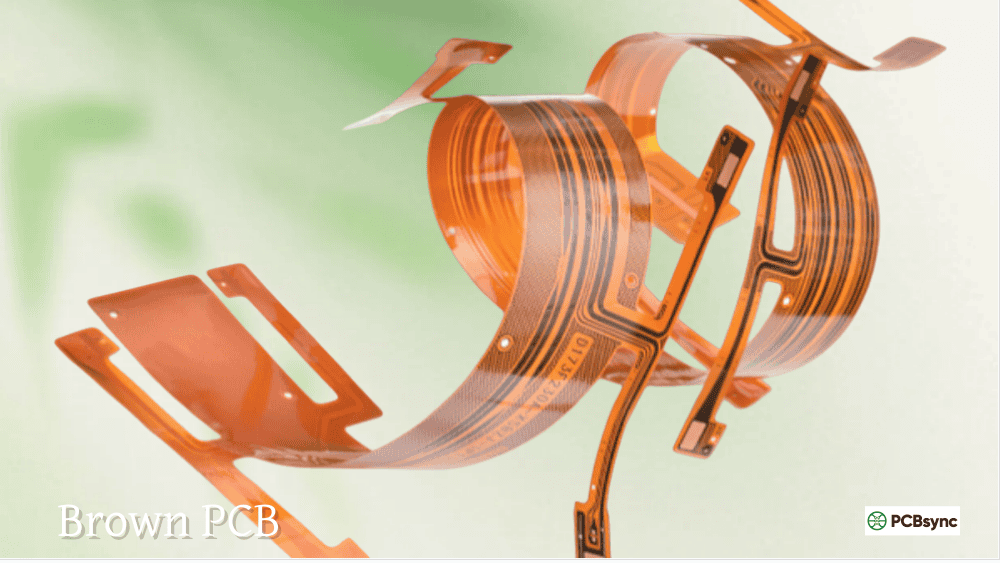
Yes. Flexible circuits can use purple solder mask, though availability may be more limited than for rigid boards. Discuss your requirements with your flex PCB manufacturer to confirm they can supply purple mask that meets the flexibility and durability requirements of your application.
Hackaday.io: Project sharing and community discussion
r/PrintedCircuitBoard: Reddit community for PCB design
Making Your Decision: Is Purple PCB Right for Your Project?
Purple solder mask offers a compelling combination of visual distinction, adequate technical performance, and strong community association. It makes sense when:
You’re designing for the maker/open-source community
Your product exposes the PCB as a visible design element
You want distinctive revision identification
Brand differentiation matters for your application
You’re working with OSH Park or similar services anyway
Stick with green if:
Maximum AOI compatibility is essential
You need the absolute lowest cost
Standard appearance suits your application
Your CM doesn’t have purple mask experience
Lead time is critical
Purple PCBs have evolved from a niche curiosity to a legitimate design choice embraced by hobbyists and professionals alike. Whether you’re building your first Arduino shield or designing the next breakout product, understanding what purple solder mask offers—and its limitations—helps you make the right choice for your specific needs.
The bottom line? Purple PCB delivers on aesthetics and provides solid technical performance for most applications. If the distinctive appearance adds value to your project, the modest cost premium is usually worthwhile.
Inquire: Call 0086-755-23203480, or reach out via the form below/your sales contact to discuss our design, manufacturing, and assembly capabilities.
Quote: Email your PCB files to Sales@pcbsync.com (Preferred for large files) or submit online. We will contact you promptly. Please ensure your email is correct.
Notes: For PCB fabrication, we require PCB design file in Gerber RS-274X format (most preferred), *.PCB/DDB (Protel, inform your program version) format or *.BRD (Eagle) format. For PCB assembly, we require PCB design file in above mentioned format, drilling file and BOM. Click to download BOM template To avoid file missing, please include all files into one folder and compress it into .zip or .rar format.